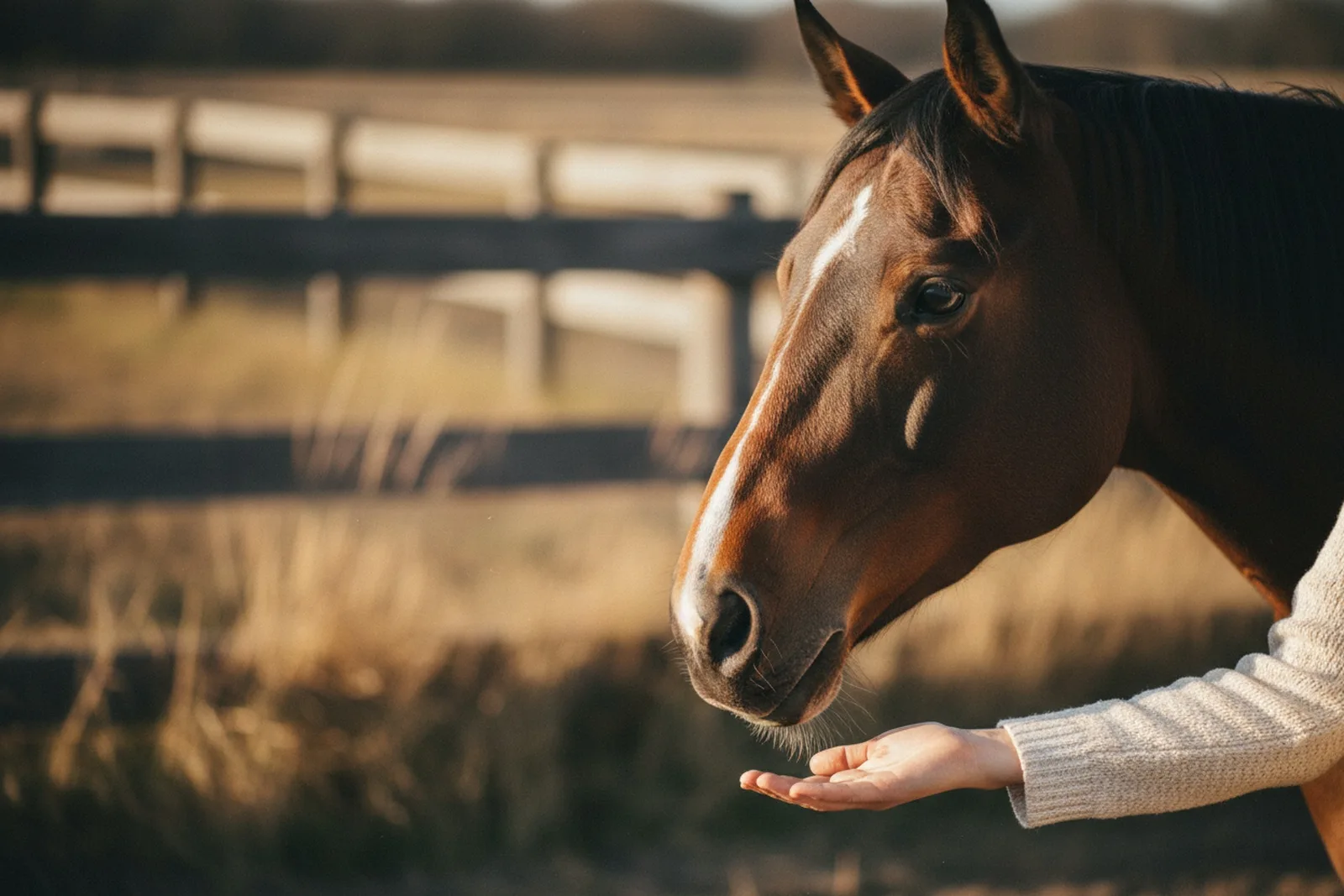
 How to approach a horse without getting hurtWhere a horse's blind spots are, which side to come from, how to enter a stall or a turnout field, what to do around a horse that is not yours.
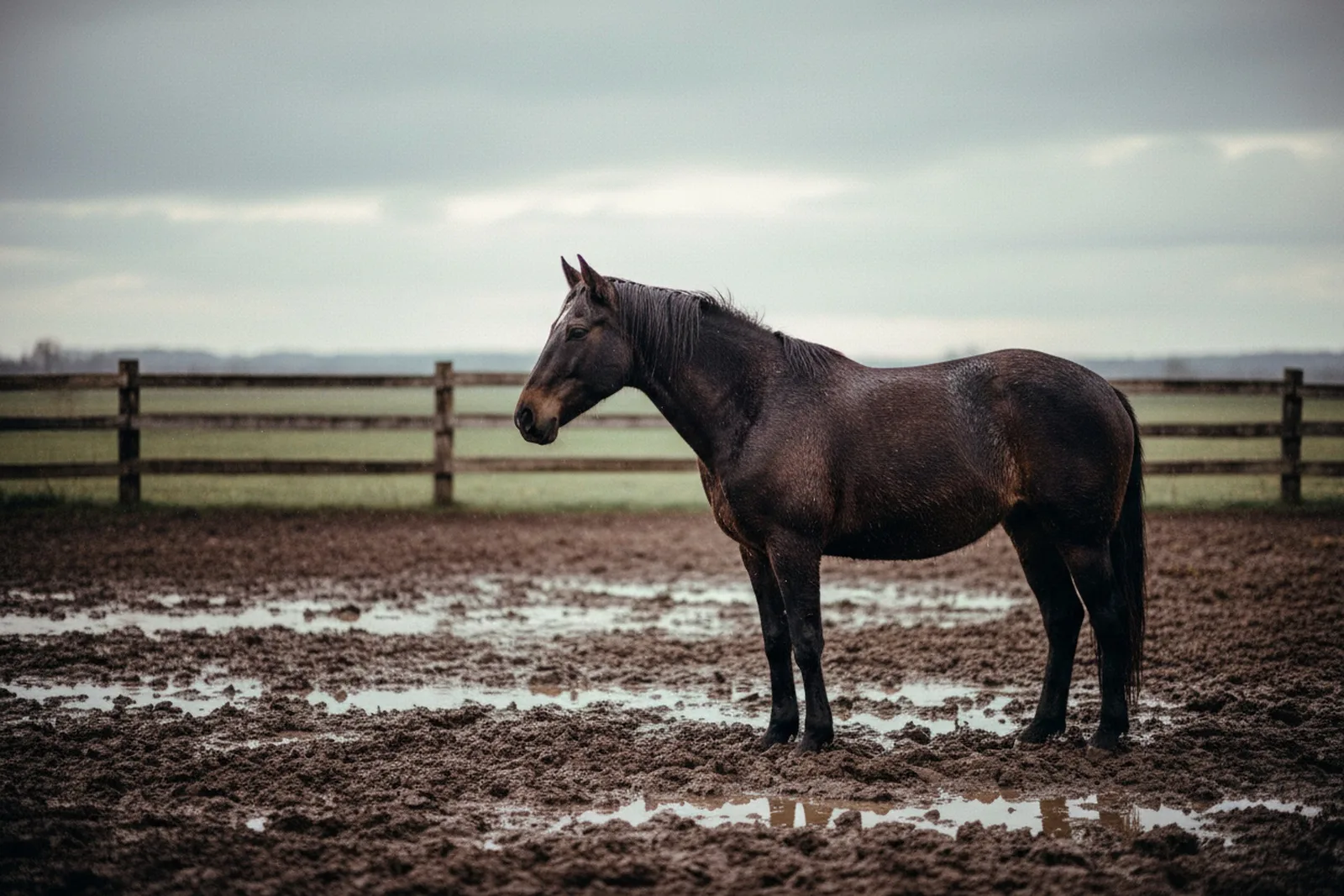 Thrush in horses: how to spot it and clear itWhat thrush looks and smells like, where it comes from, what the owner does by hand, and where management ends and the vet's work begins.
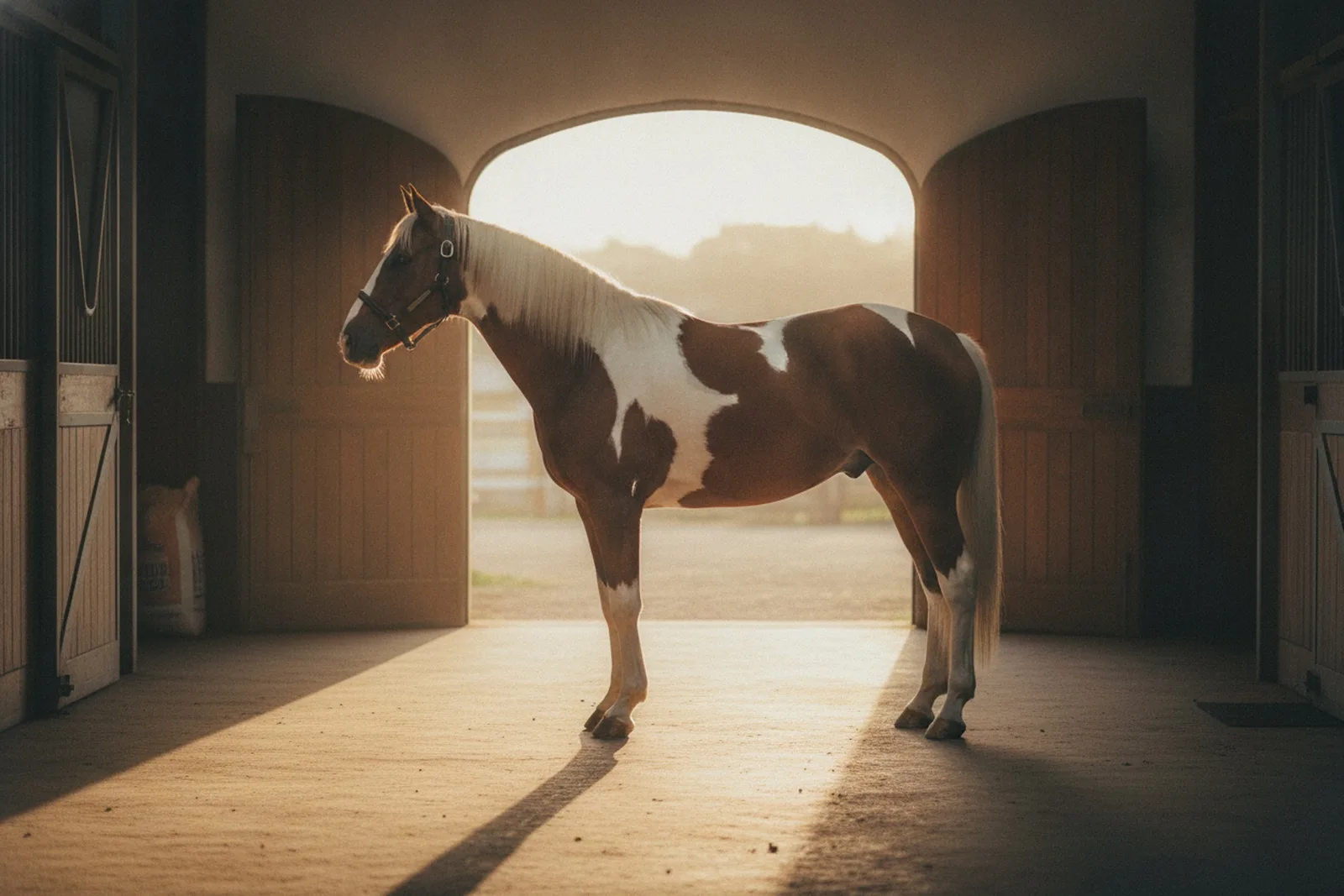 Hoof trimming: how often and what the farrier doesHow often hooves are trimmed, what happens during a visit, what a farrier should never do, how to judge the work six weeks later, and what it costs.
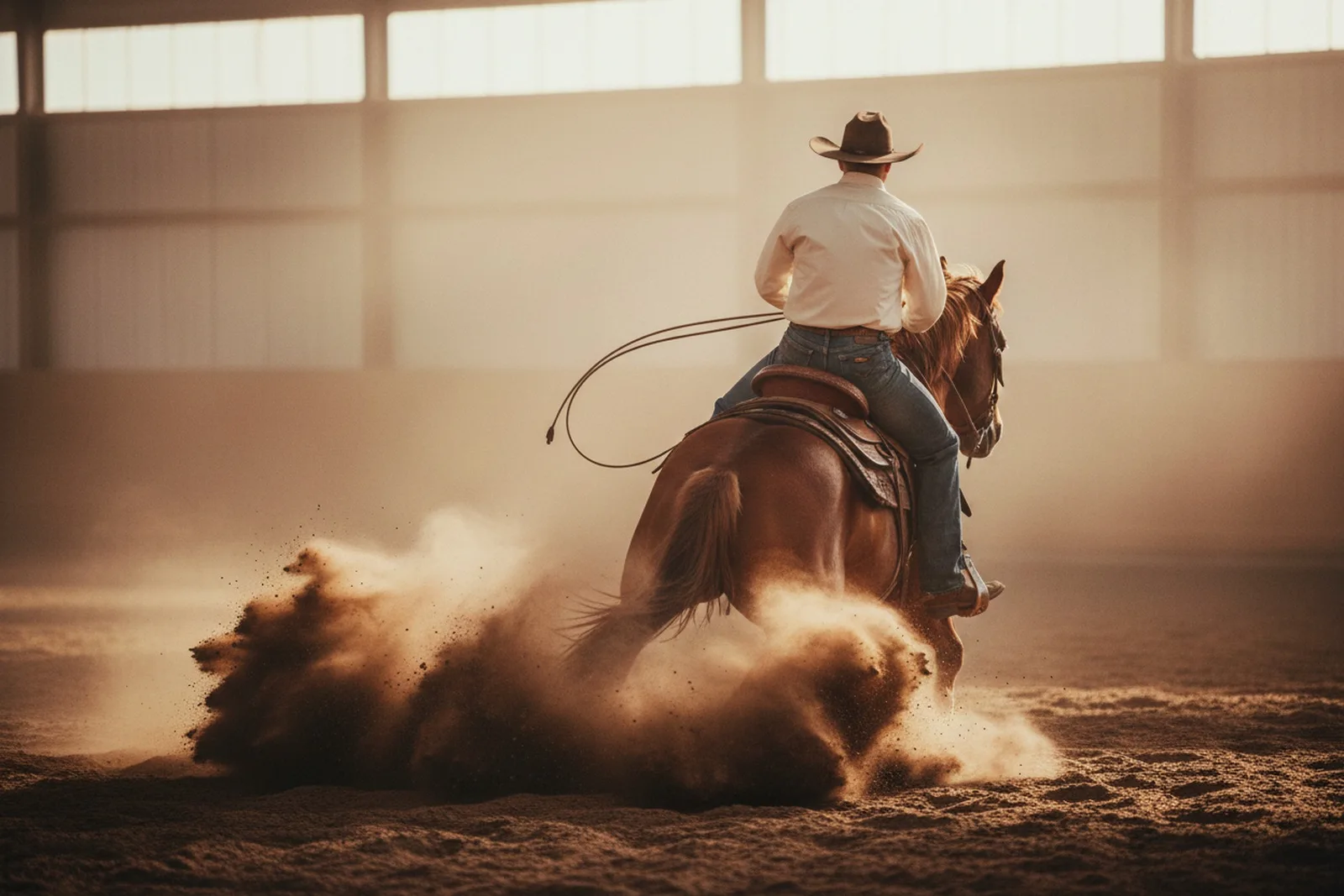 Western riding and reining: sport out of cattle workWhere the western disciplines came from, what a reining horse does, how trail, cutting and pleasure differ, and what tack and breeds the style takes.
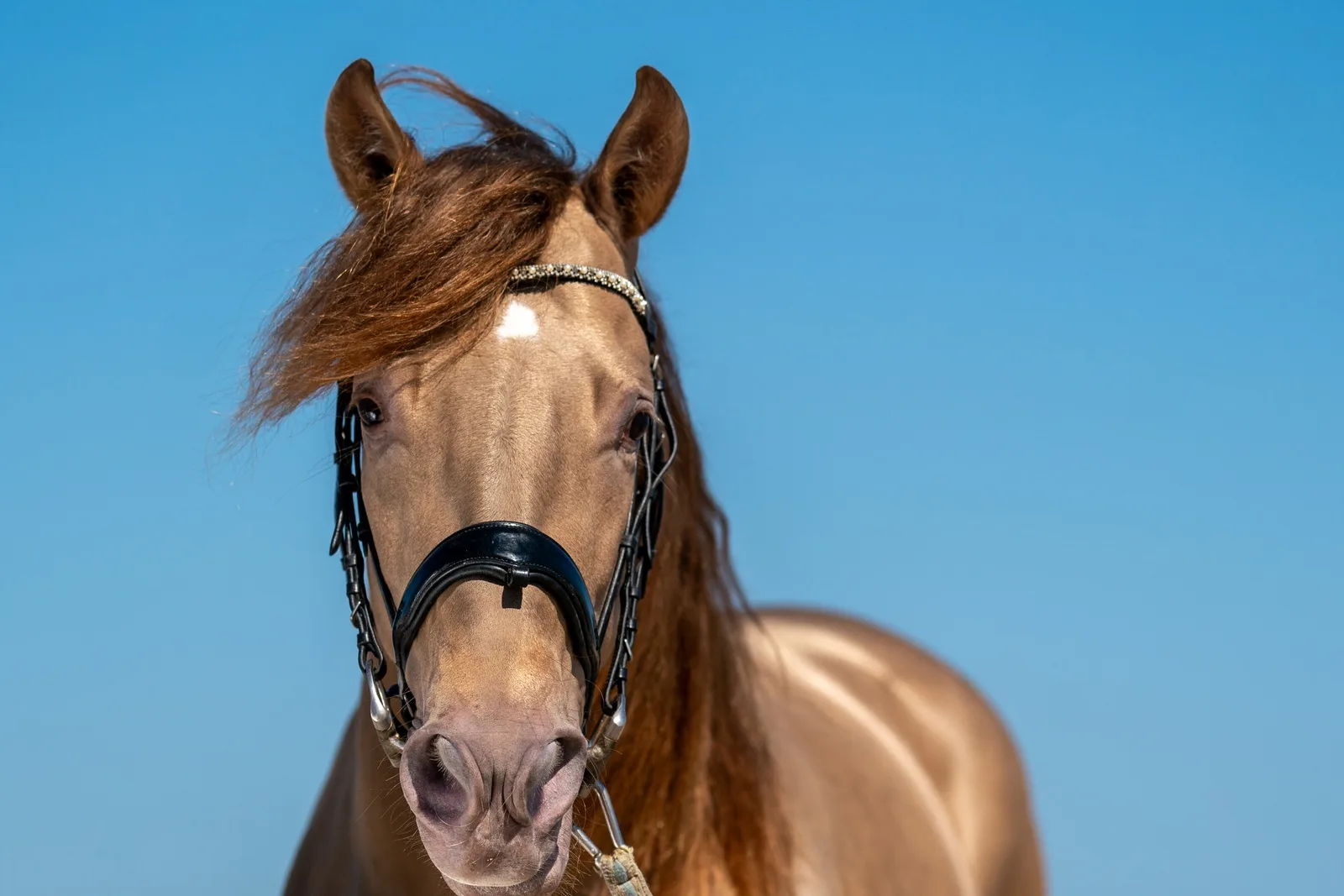 Stallion semen: fresh, chilled or frozenHow fresh, chilled and frozen stallion semen differ, conception rates per cycle, timing the insemination, studbook rules on AI, and what to ask the owner.
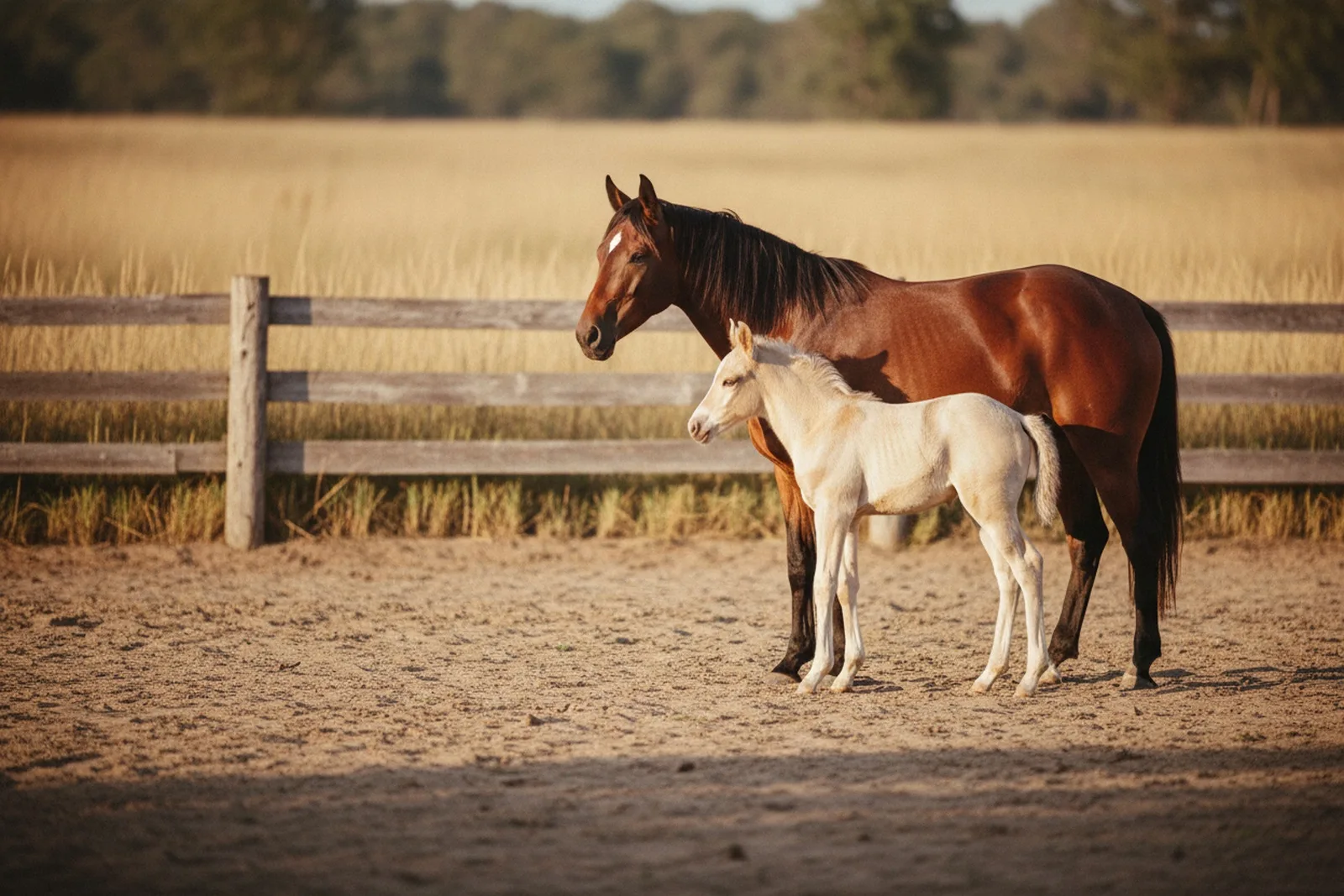 Mare pregnancy and foalingConfirming pregnancy by scan, twins and reduction, feeding and work by trimester, the signs before foaling, the three stages of labour and the 1-2-3 rule.
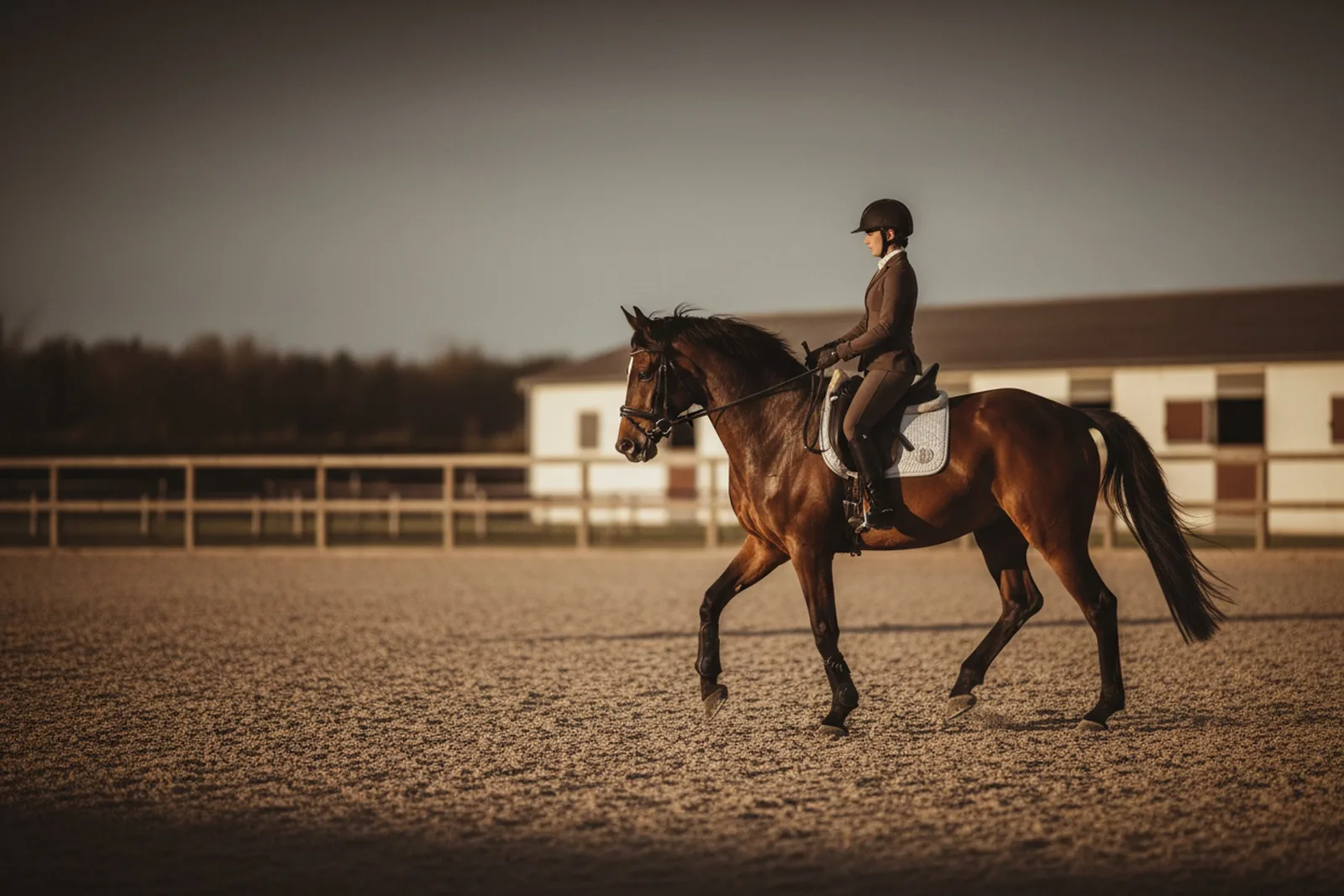 Rider position: what actually makes it correctWhat a rider's position is made of, where the ear-shoulder-hip-heel line runs, how a chair seat differs from a fork seat and how to check yourself on video.
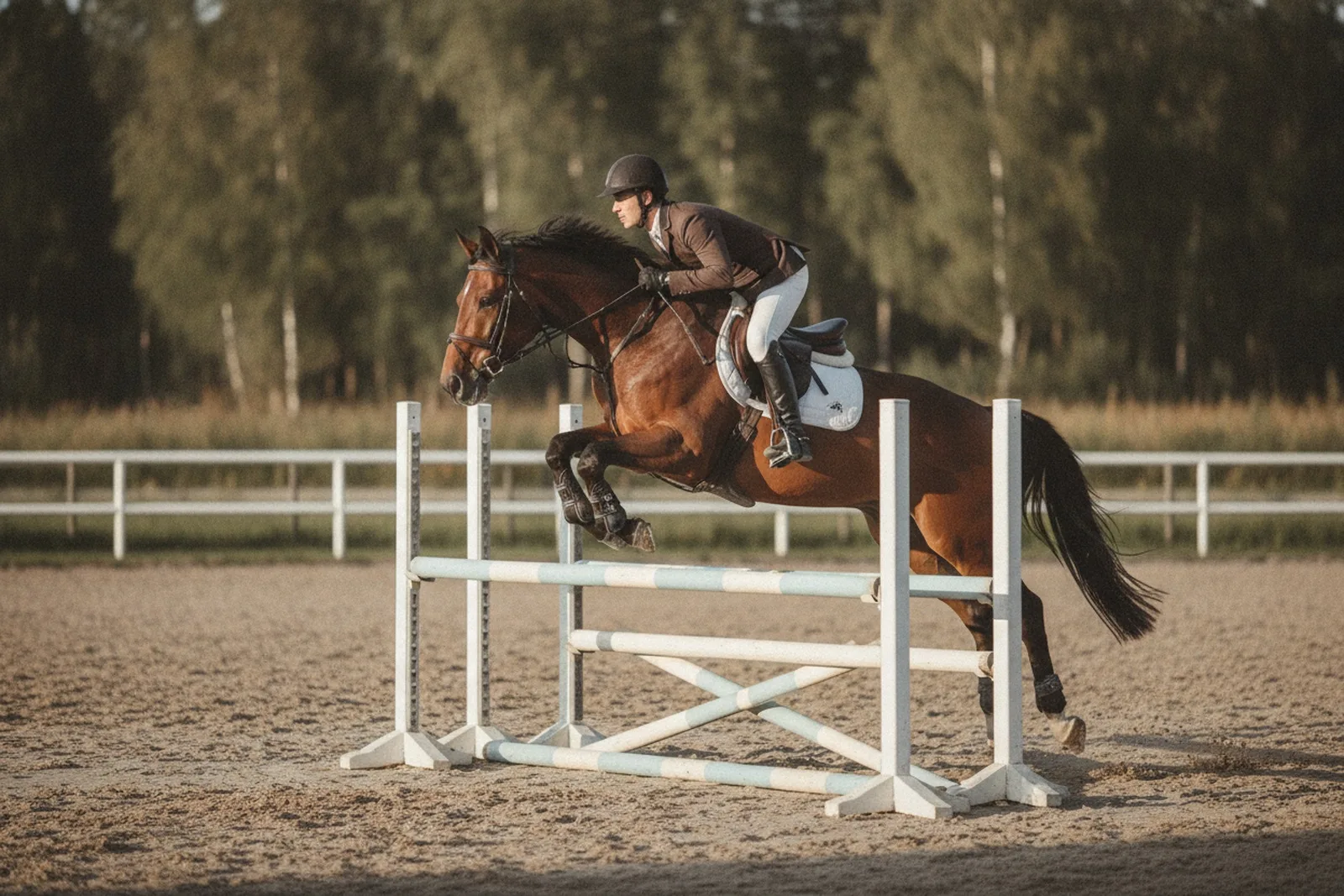 Show jumping: how a round is scored and readHow faults are counted, what a course is built from, where the distances between fences come from, the jump-off, class heights and the horse it takes.
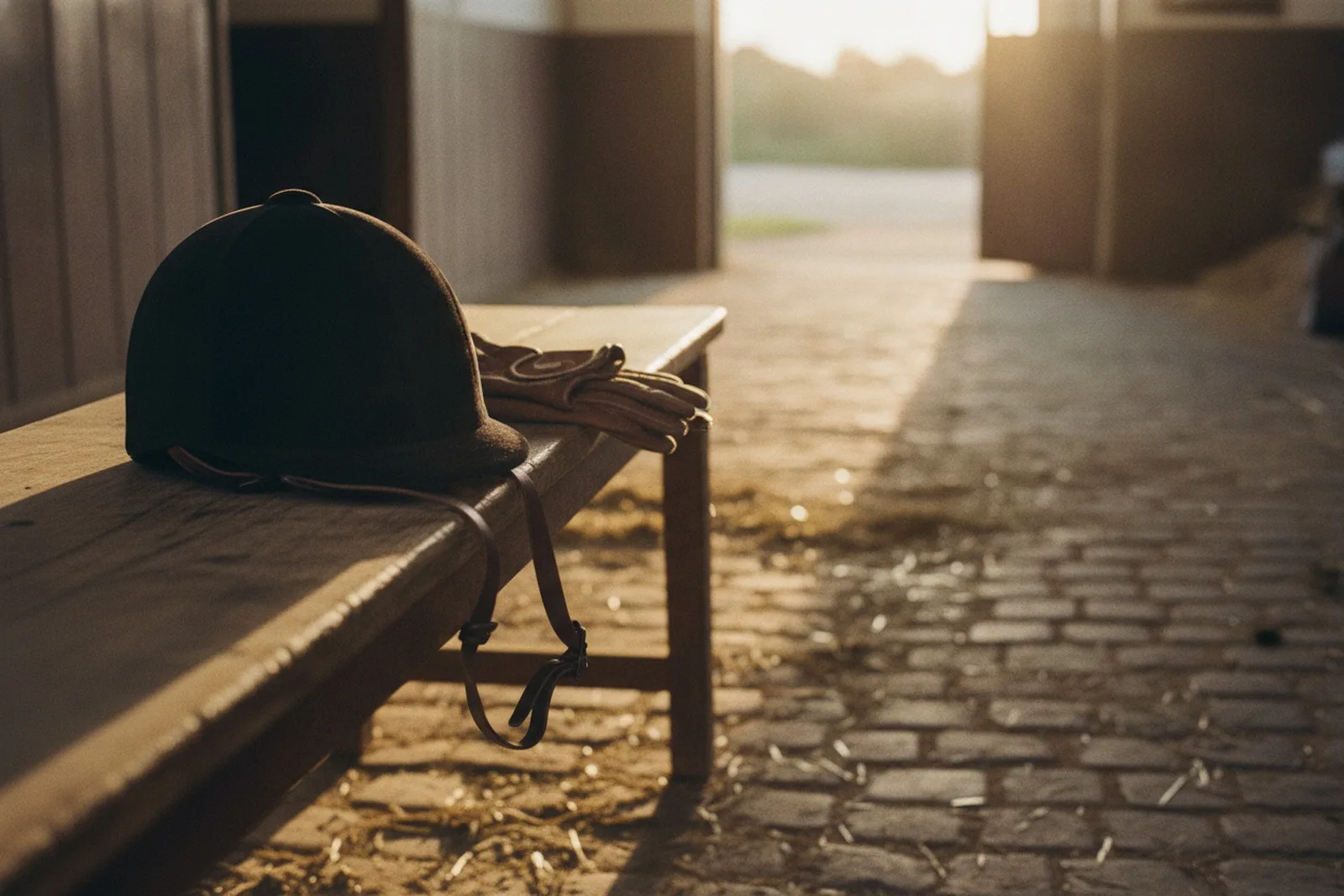 Riding helmets: how to choose one and when to replace itWhich standards must be on the label in the EU, the UK and the US, how to fit shape and size, when a helmet is finished and why you never buy one used.
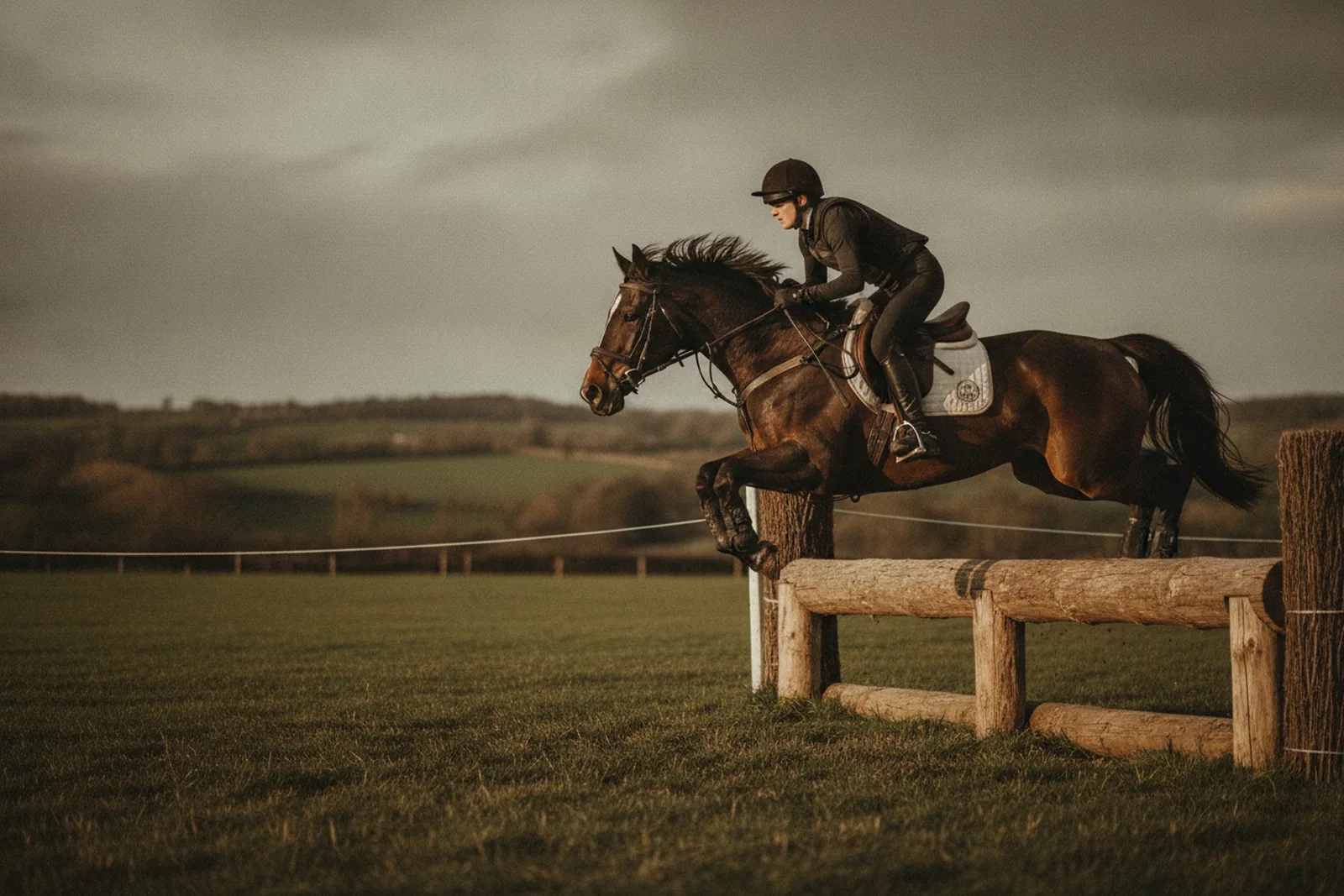 Eventing: three phases, three days, one horseHow dressage, cross-country and show jumping add up to one score, what CCI-L and CCI-S mean, why the horse inspections matter and what horse survives it.
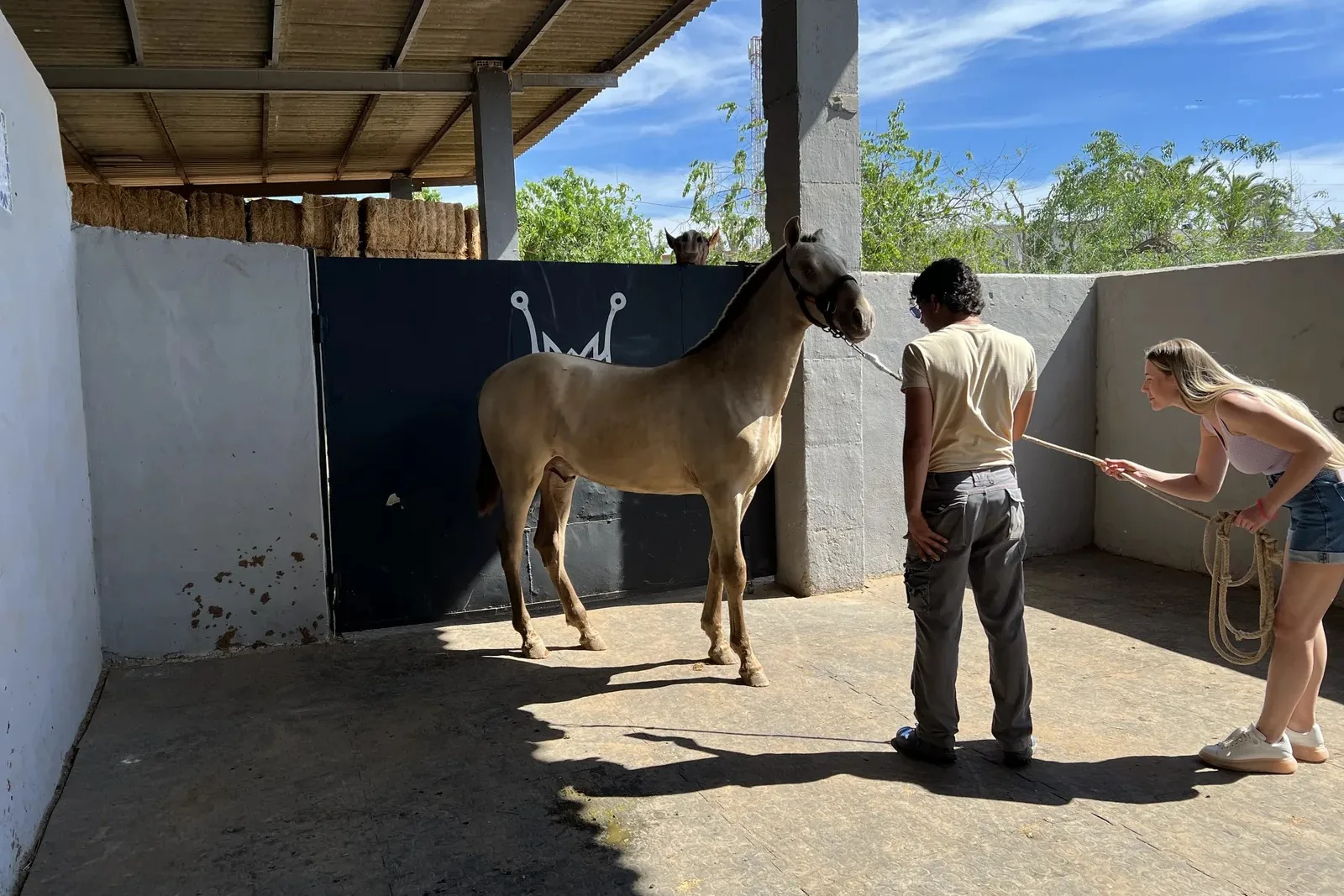 Buying a foal: what you can and cannot seeWhat age foals are sold at, what a yearling already shows and what it hides, why you look at the sire and dam, and what three years to saddle really costs.
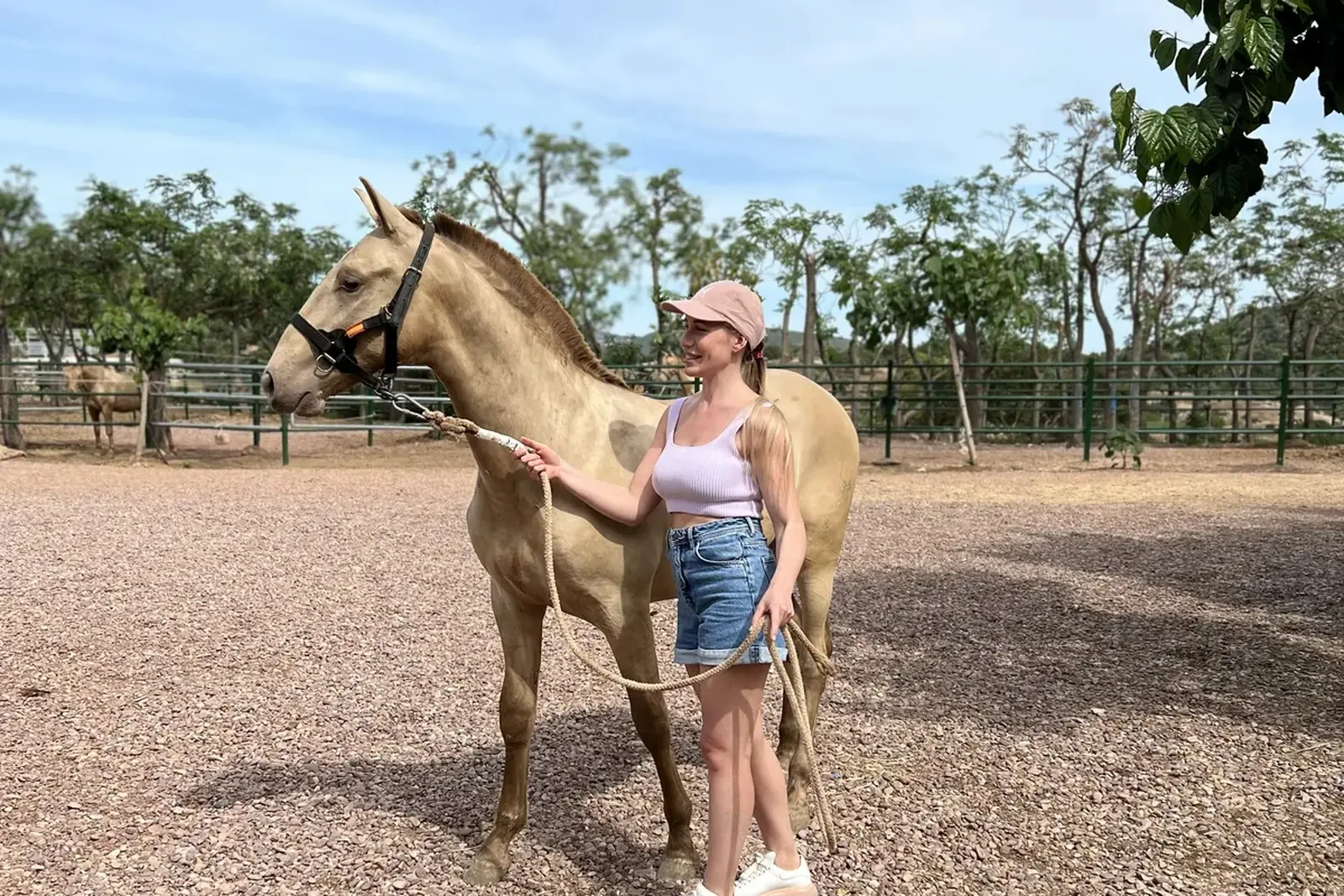 Where to buy a horse: portals, breeders, auctionsHow online portals, breeders, auctions and buying abroad differ in price and risk, and how to tell an owner from a dealer before you travel.
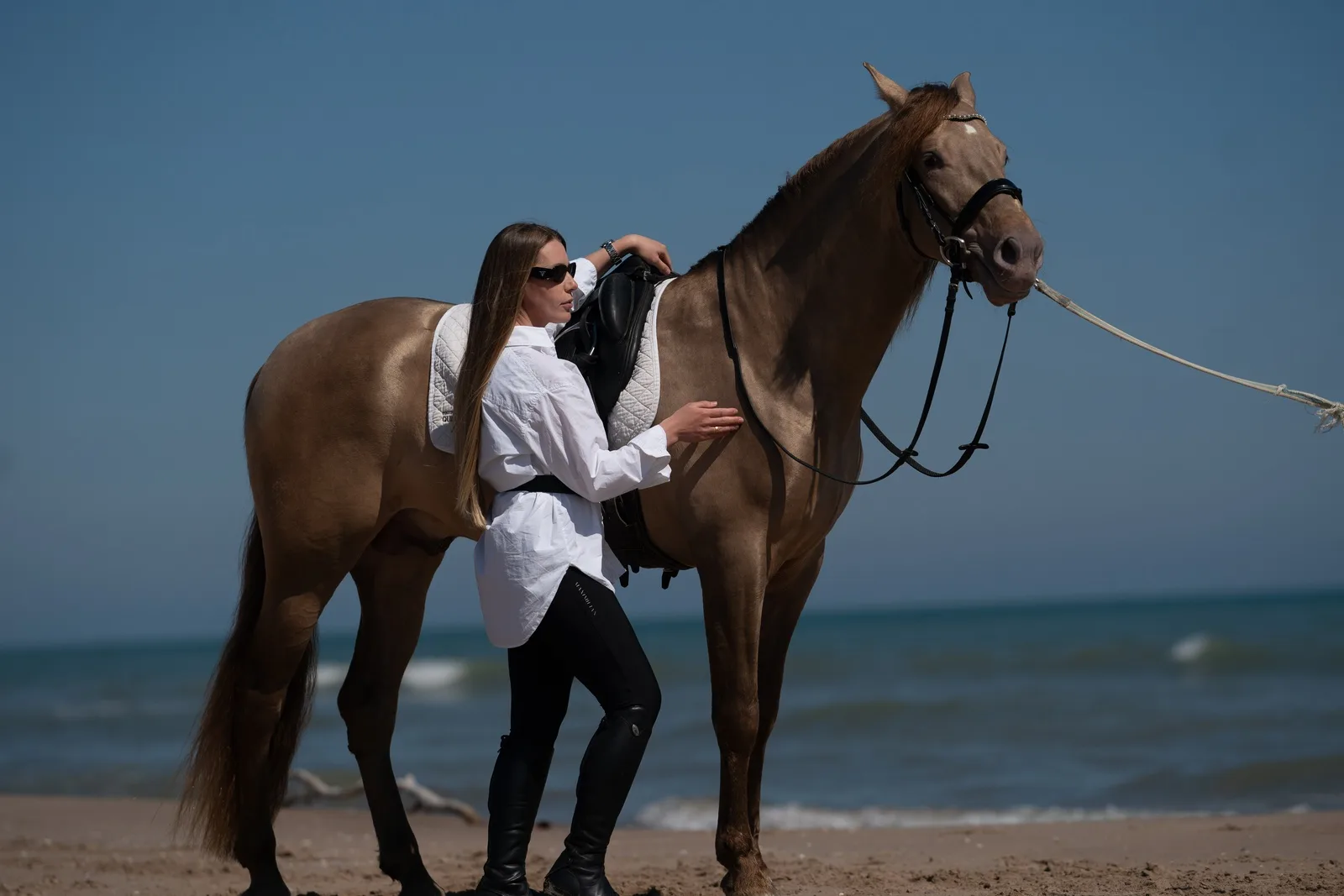 How to choose a saddle pad: shape, size, fabricDressage pad or jumping pad, how to size one to your saddle, which fabrics take the sweat, and why an expensive pad will not rescue a bad saddle.
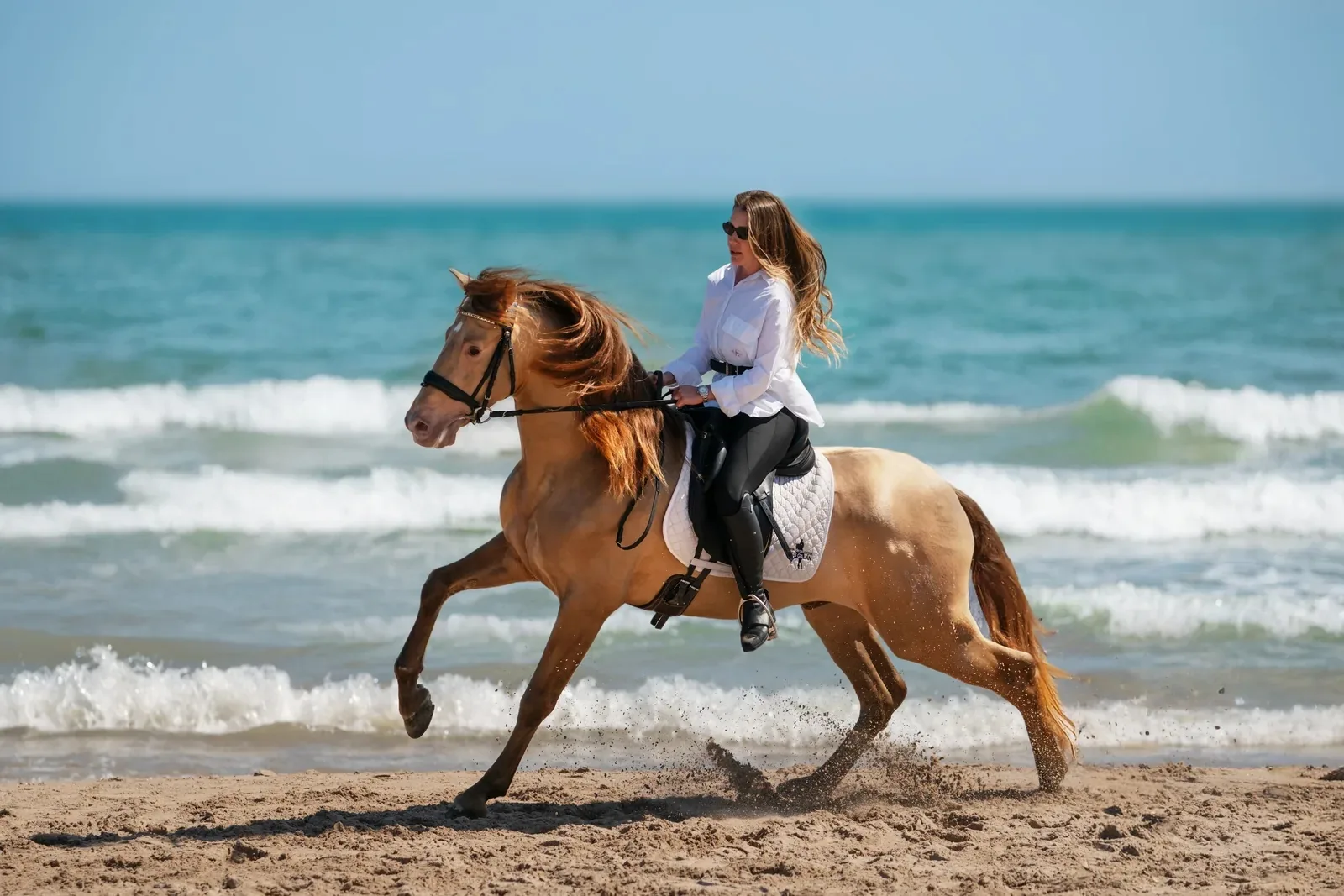 Dressage: how the sport works and where you startHow the percentage is calculated, what the training scale is, how the US and British levels line up with FEI, and where the Iberian horse wins and loses.
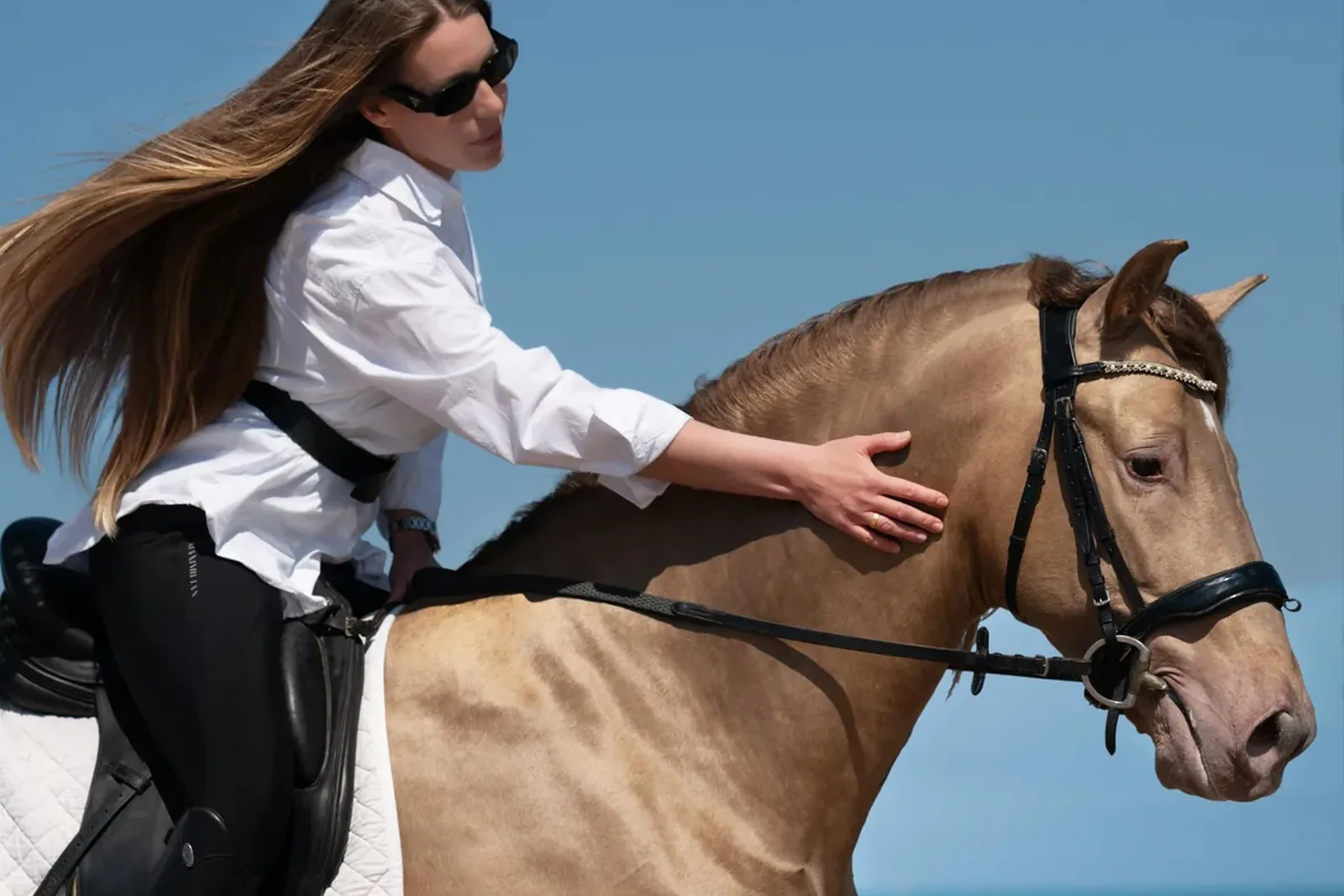 How to fit a saddle to your horseHow to template a horse's back, what tree width really means, why a saddle is refitted when the horse changes shape, and how to read the sweat pattern.
 Colic in horses: signs and what to do before the vetWhat colic looks like, which signs mean you phone the vet now, what to do in the first hour and why painkillers before the exam are dangerous.
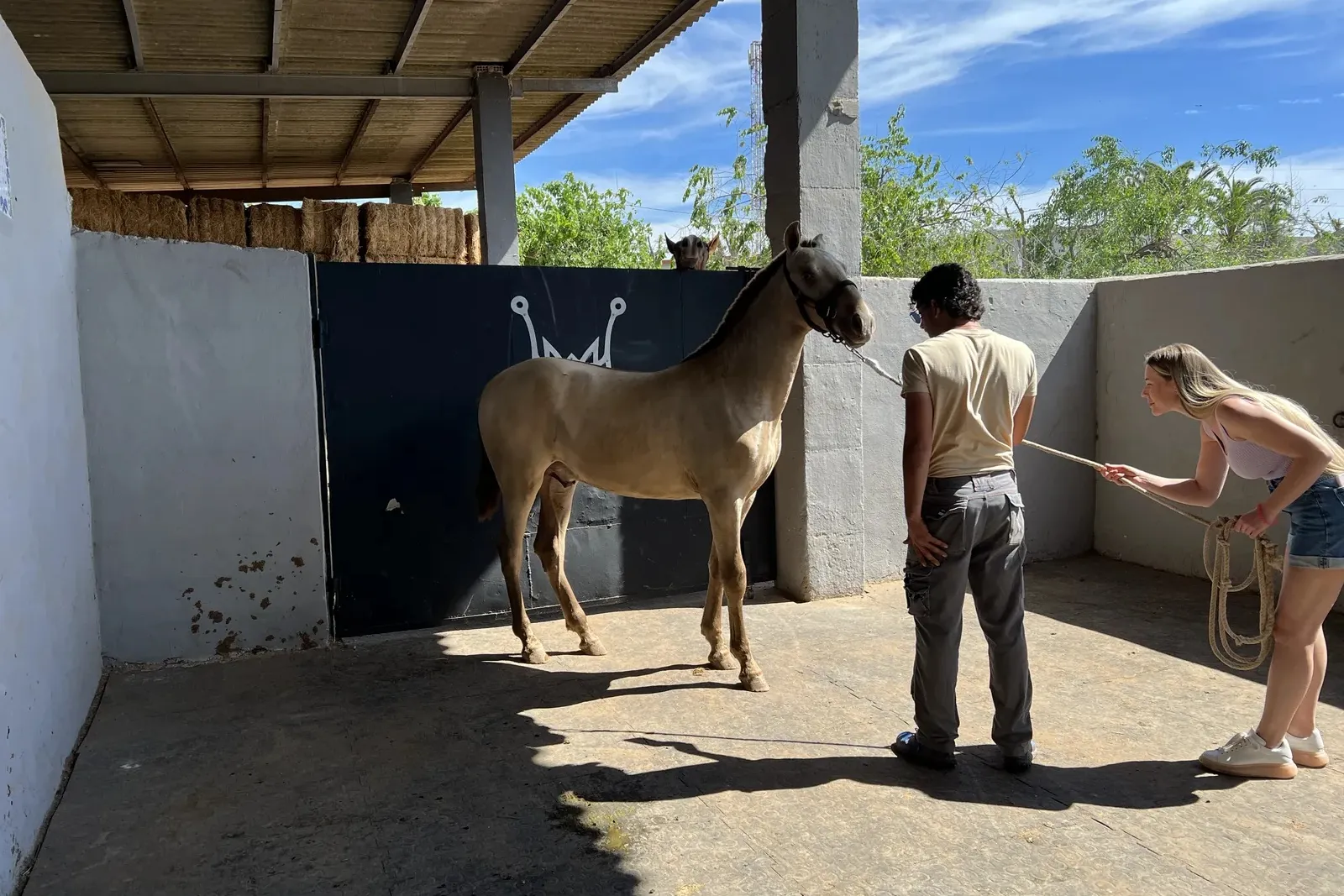 How much does a horse costPurchase prices in Europe and the US, what PRE costs at a Spanish stud, the one-off costs buyers forget, monthly keep, and why a cheap horse ends up dearer.
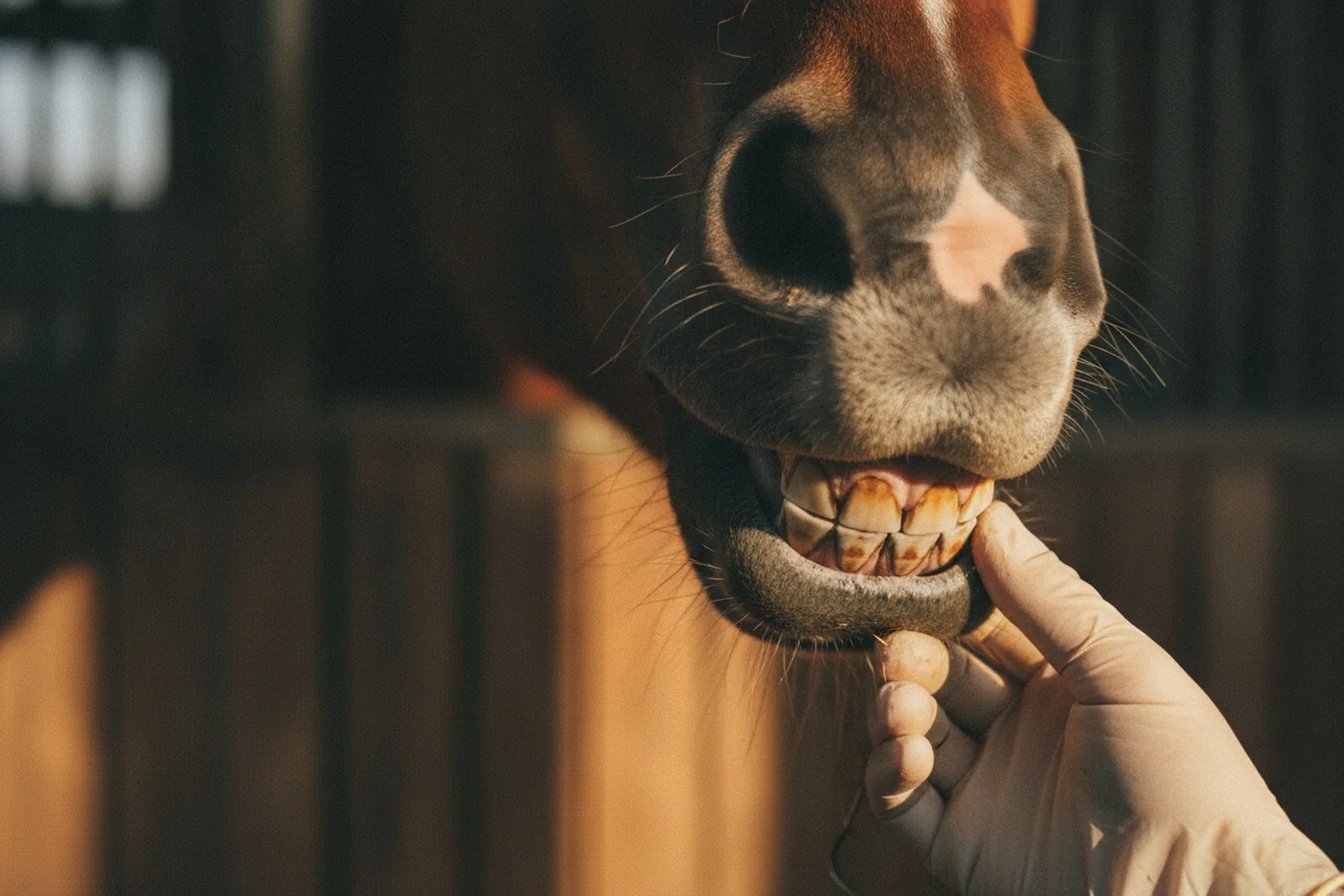 Horse teeth: ageing, floating and calling a dentistHow many teeth a horse has, how age is read off the incisors, why the estimate falls apart after twelve, and who may legally rasp teeth in the US and Britain.
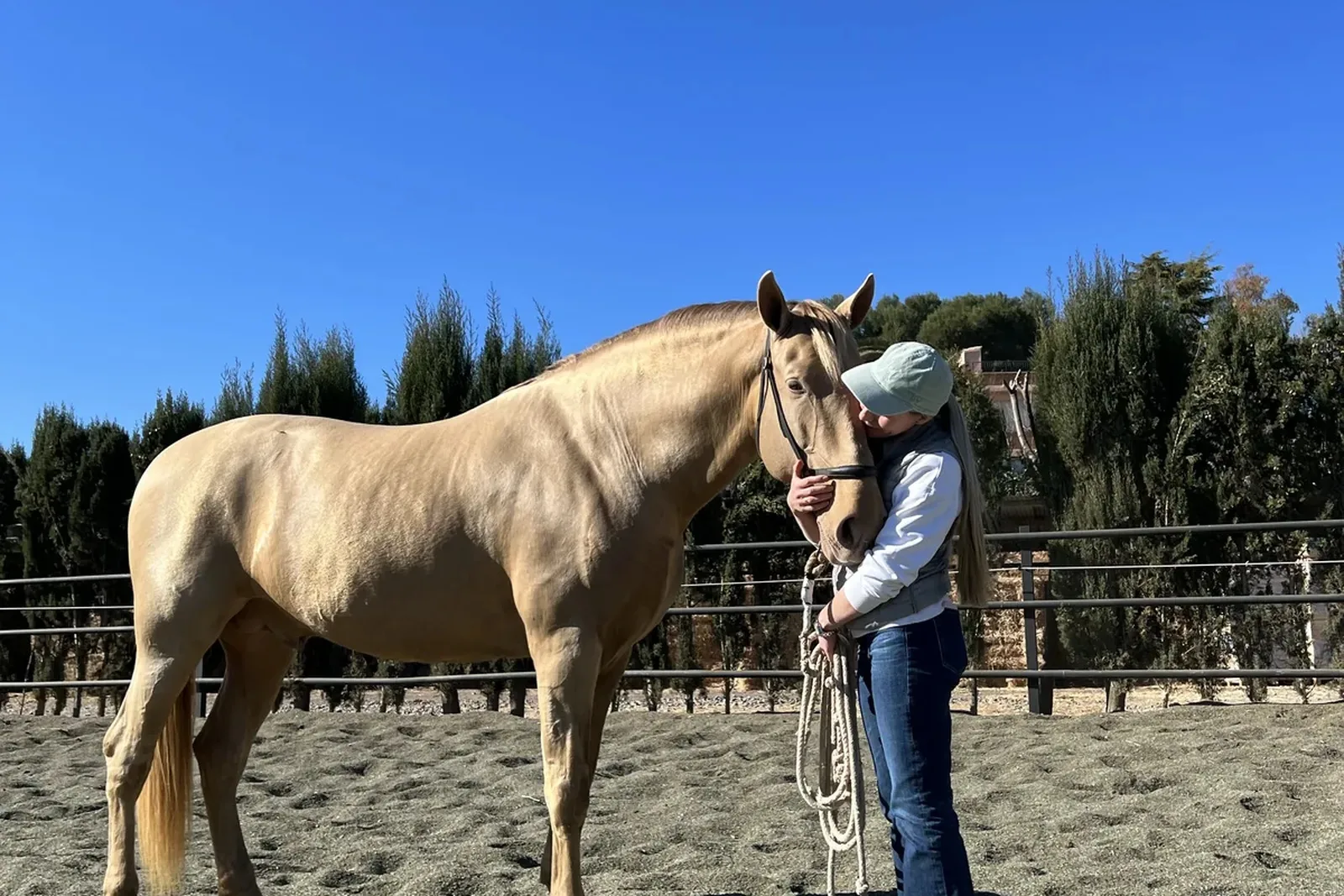 Horse temperament: what you can judge before buyingWhat an hour of viewing really shows and what it cannot, why temperament is heritable but not predictable from a pedigree, and the questions to ask a seller.
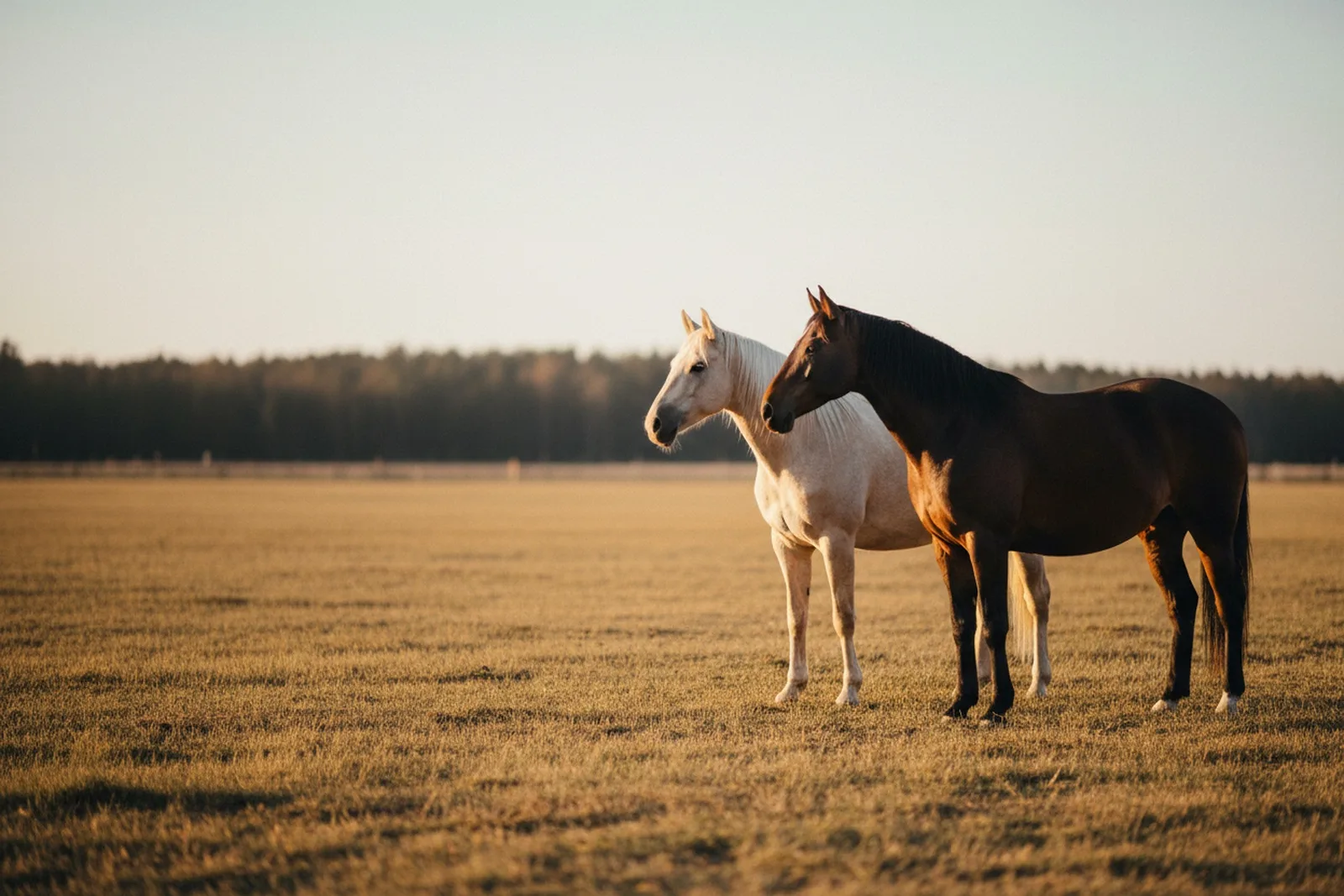 DNA colour testing in horsesWhich loci are tested, how to pull hair with the roots, which laboratory to send it to, what it costs and why pearl is tested before any breeding.
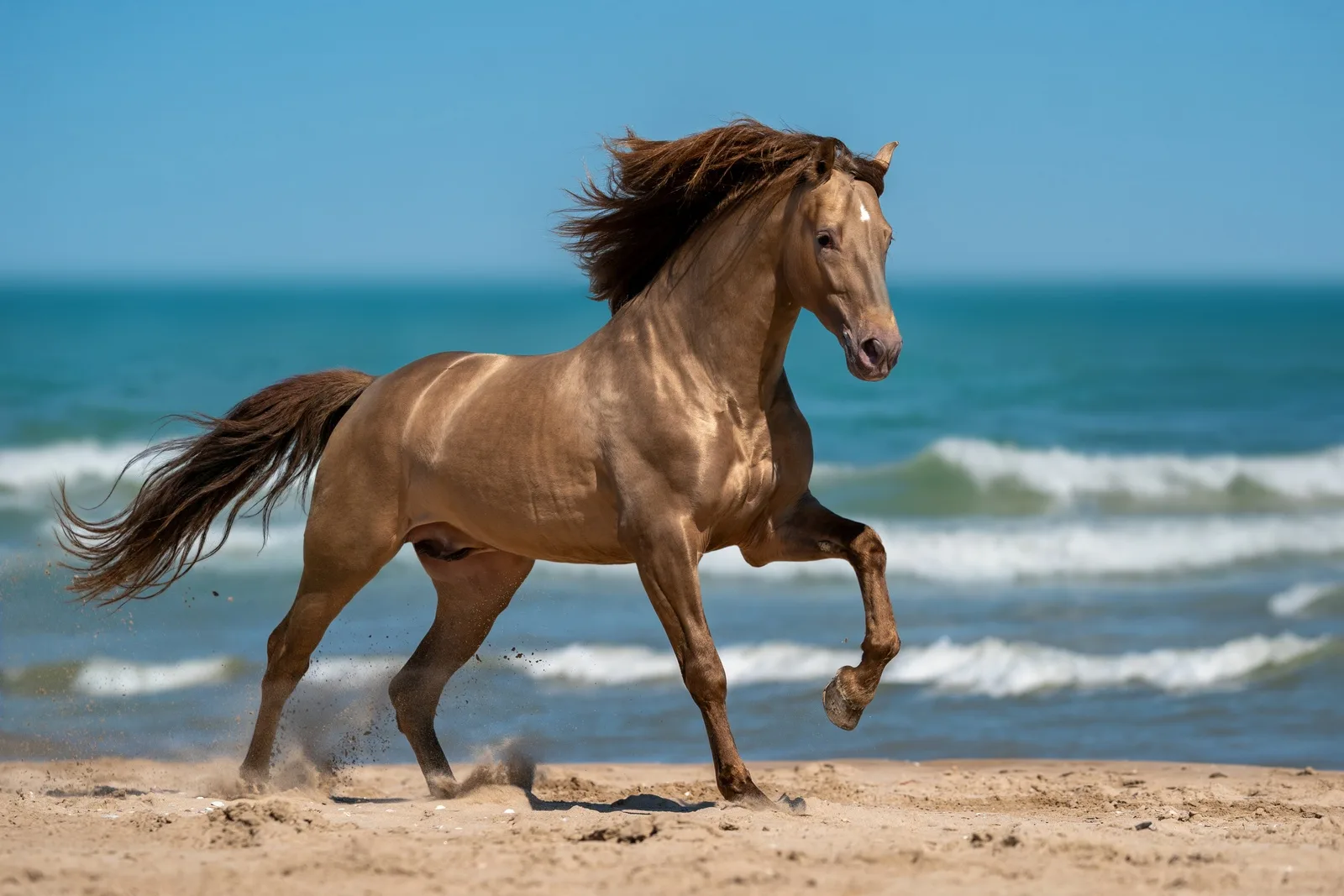 "Dilute coat colours: palomino, buckskin, cremello"How palomino differs from buckskin, where cremello and perlino come from, and why the same horse is written up differently in different papers.
 "Papers of a Spanish horse: LG PRE ANCCE, passport, chip"What papers a PRE must have, what UELN and LG PRE ANCCE are, how to check a horse in the studbook, and what moving one inside the EU or into the US takes.
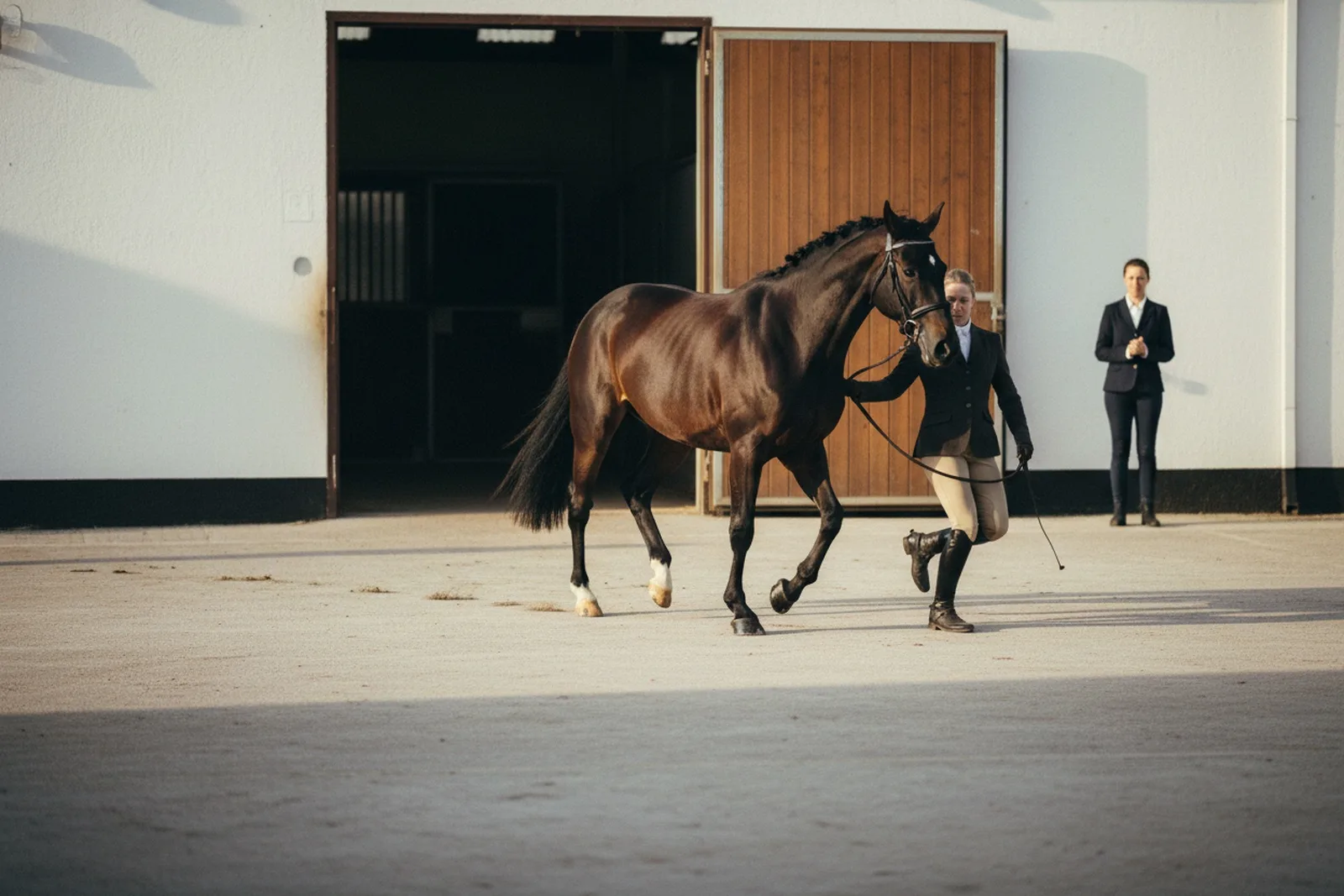 Pre-purchase exam: what a PPE covers and what it costsThe five-stage vetting, the radiograph set, scope and bloods, how the German Ankaufsuntersuchung differs, who pays, and what to do with findings in the report.
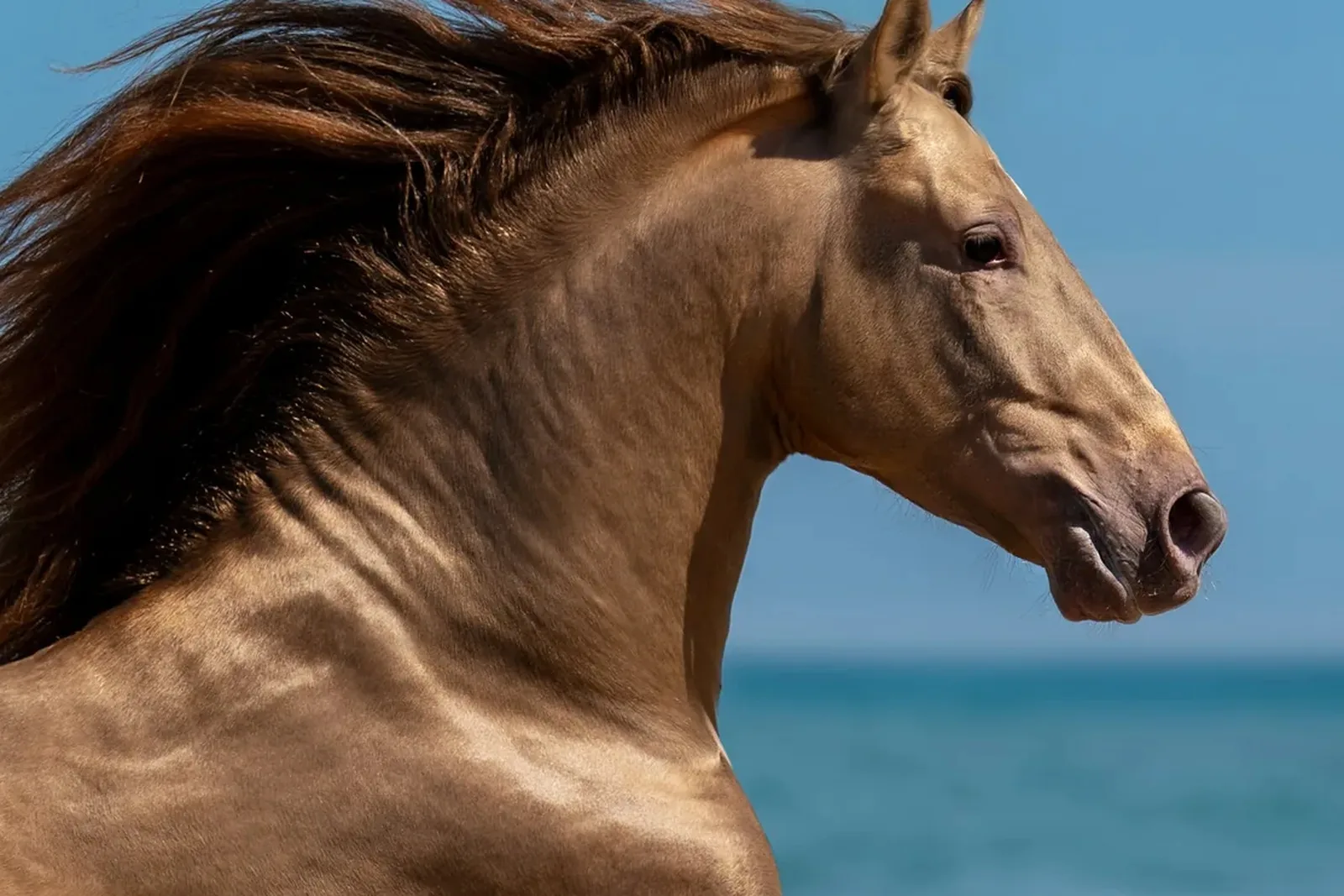 Palomino or buckskin: telling them apartWhat separates a palomino from a buckskin, why it is one gene on two different bases, and the four colours mistaken for palomino most often.
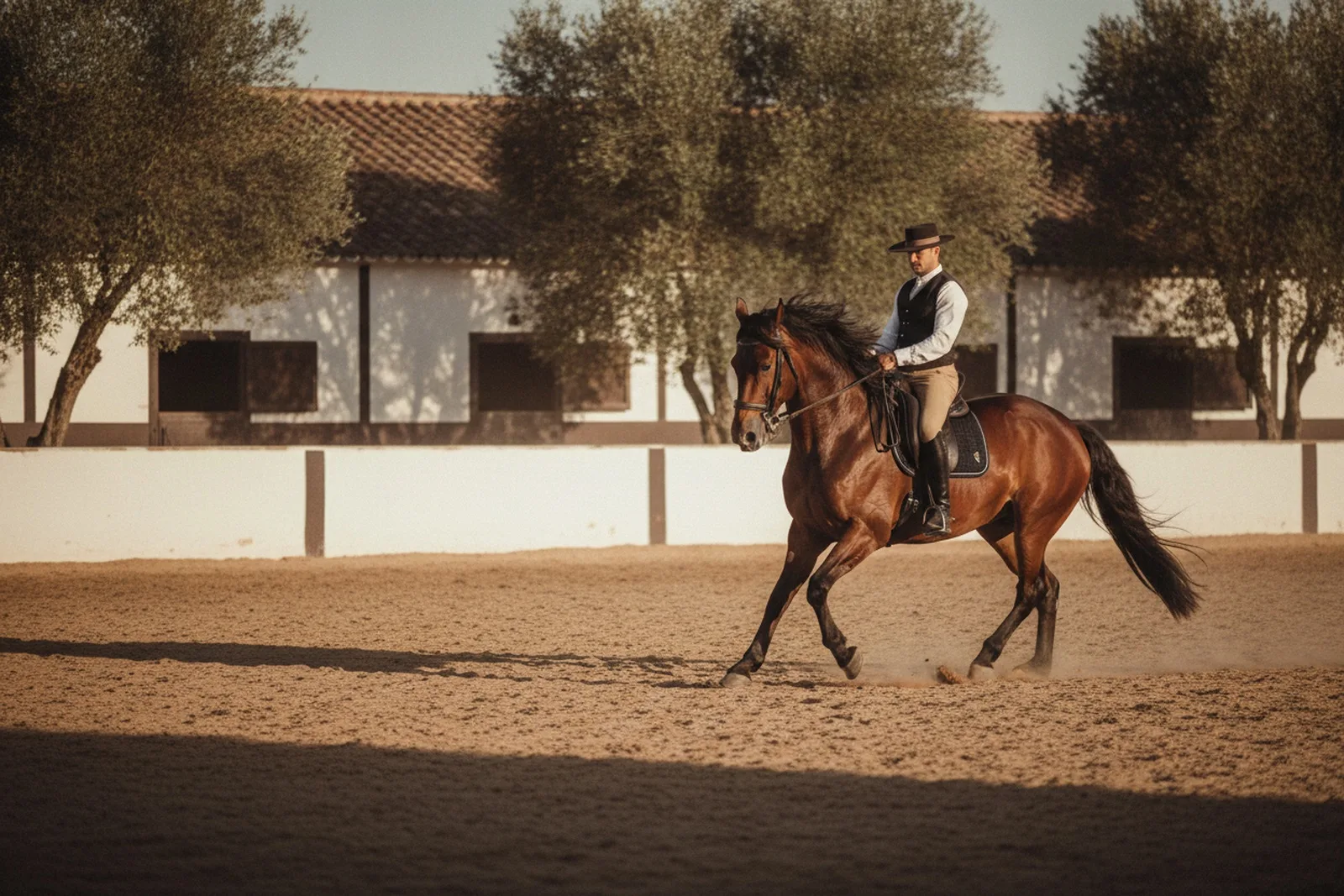 Lusitano vs PRE: how the two Iberian breeds differSelection, conformation, character, the APSL studbook, the Veiga and Andrade lines, prices in Portugal and what to check before you buy.
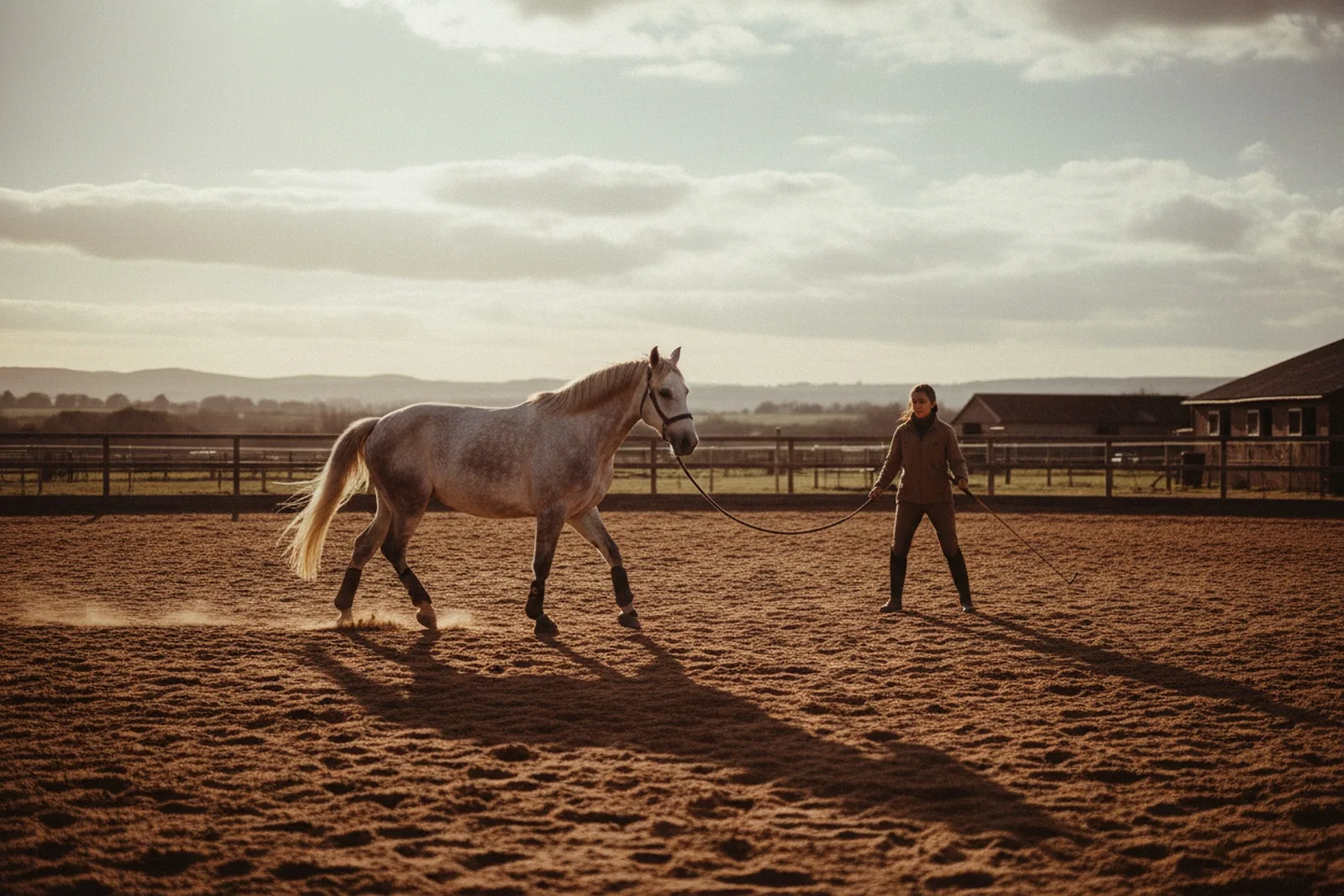 Lungeing a horse: what it is for and how to do itWhat lungeing is actually for, the kit you need, how big the circle should be, where to stand, how to hold the line safely and the mistakes people repeat.
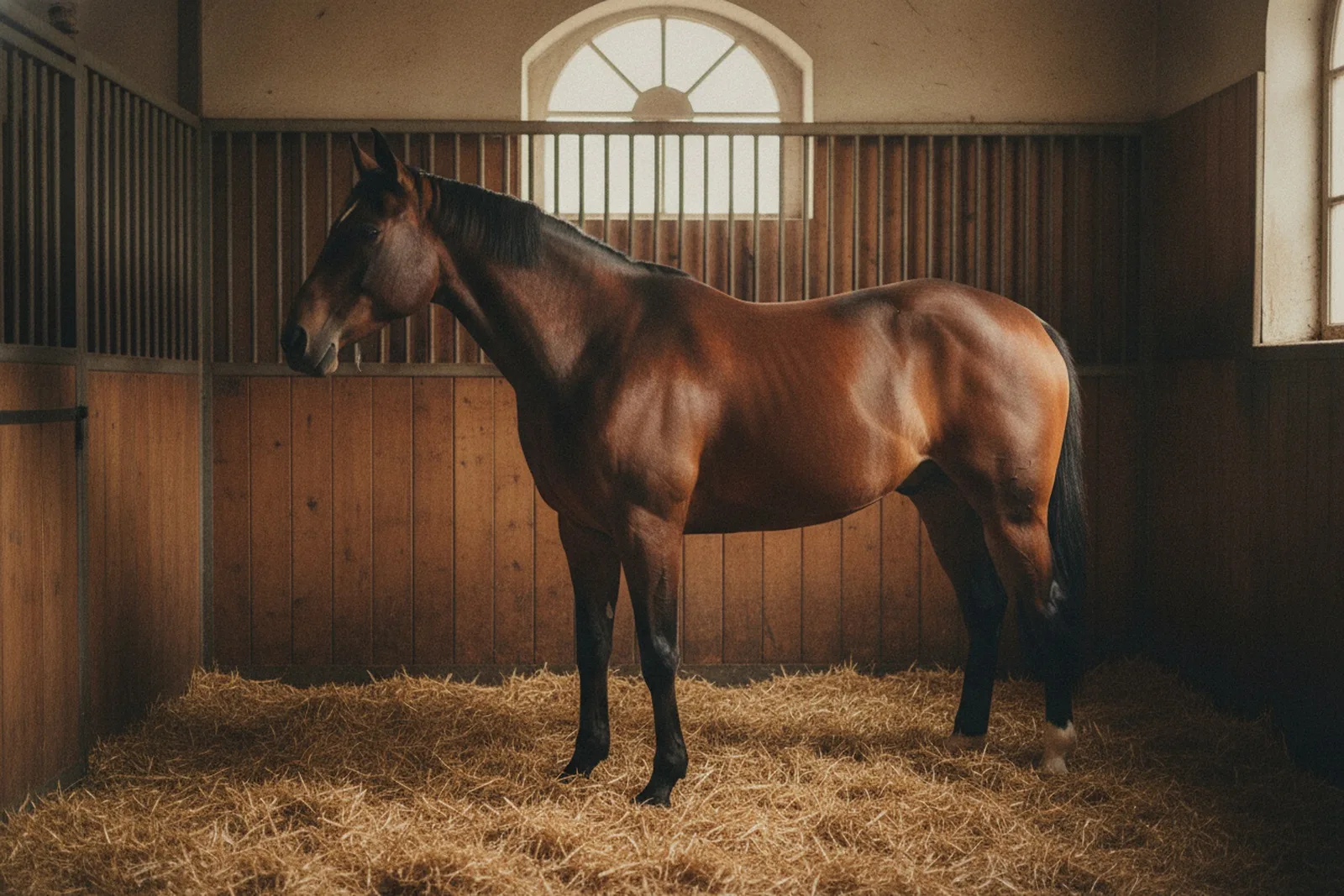 Laminitis in horses: early signs and first stepsWhat happens inside the hoof in laminitis, where it comes from, how the early signs look, what to do before the vet arrives and what you must not do.
 Lameness in horses: spotting it early, what not to doHow to catch lameness early, how to find the bad leg by head nod and hip hike, what the AAEP grades mean and why working through it makes it worse.
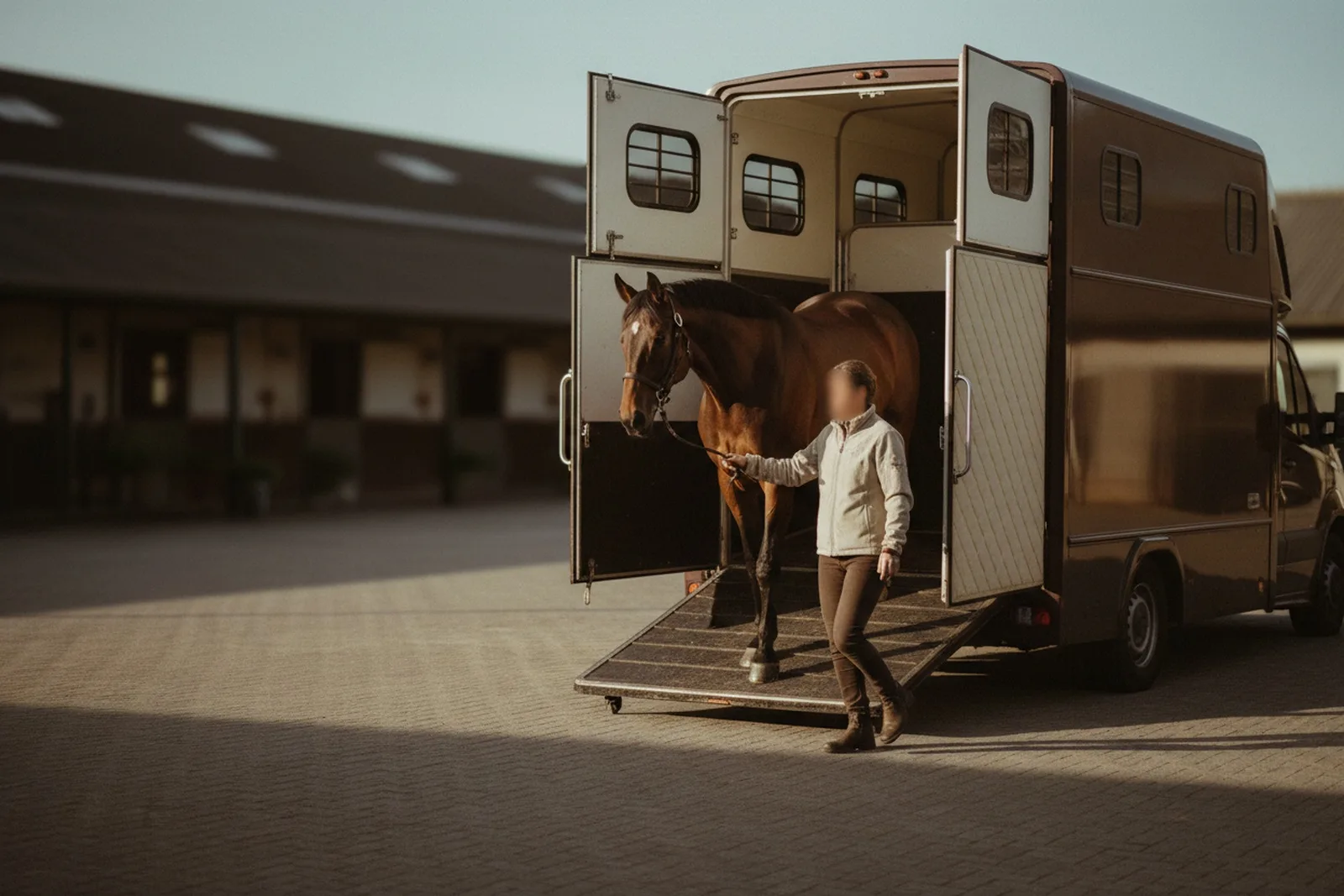 Importing a horse into the EU: papers and quarantineMoving a horse inside the EU on TRACES, bringing one in from Britain after Brexit, and shipping from Spain to the United States: permits, quarantine, cost.
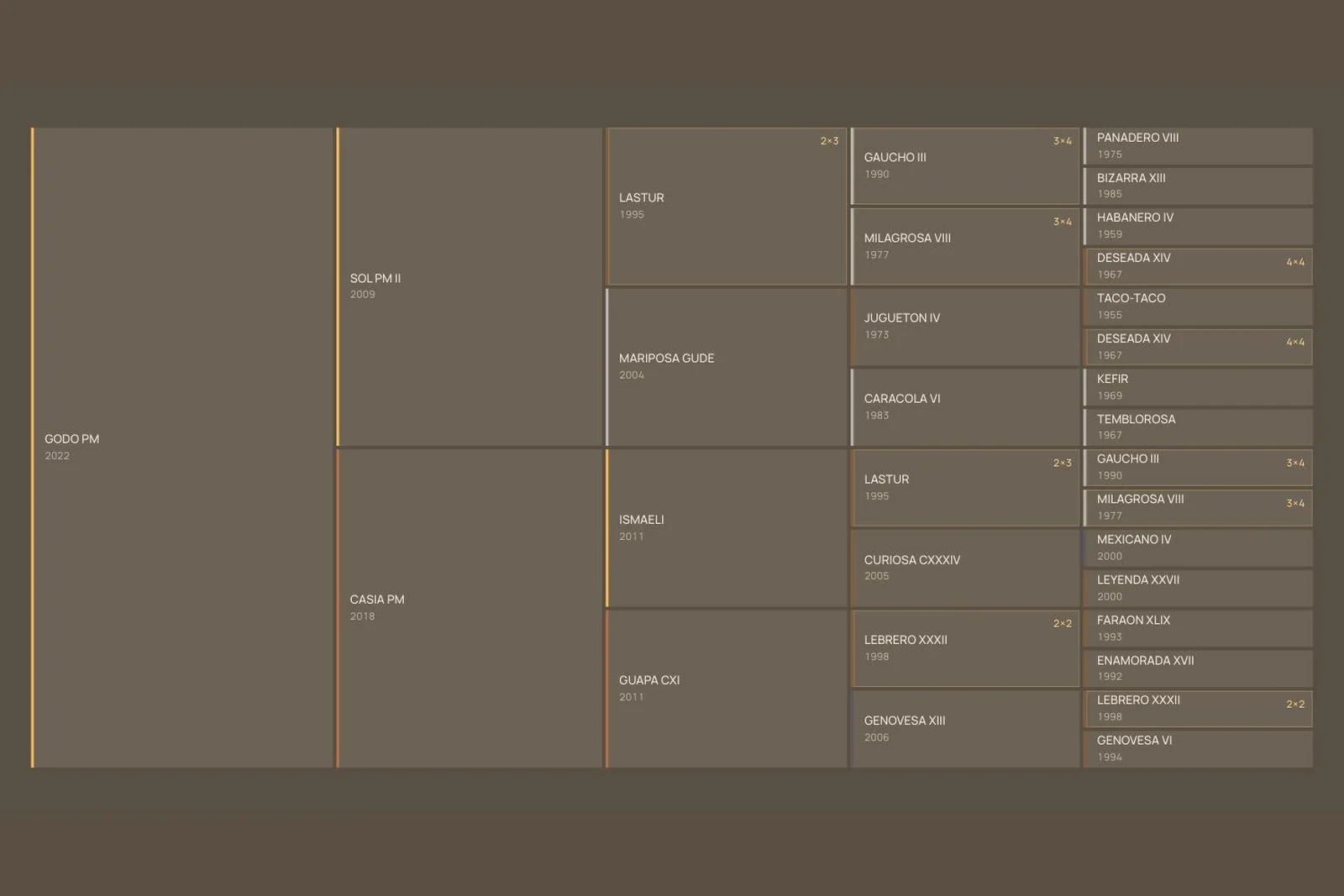 How to read a horse pedigreeHow the ancestor table is built, what an inbreeding pattern like 2×3 means, where linebreeding differs from inbreeding, and how to read ANCCE indexes.
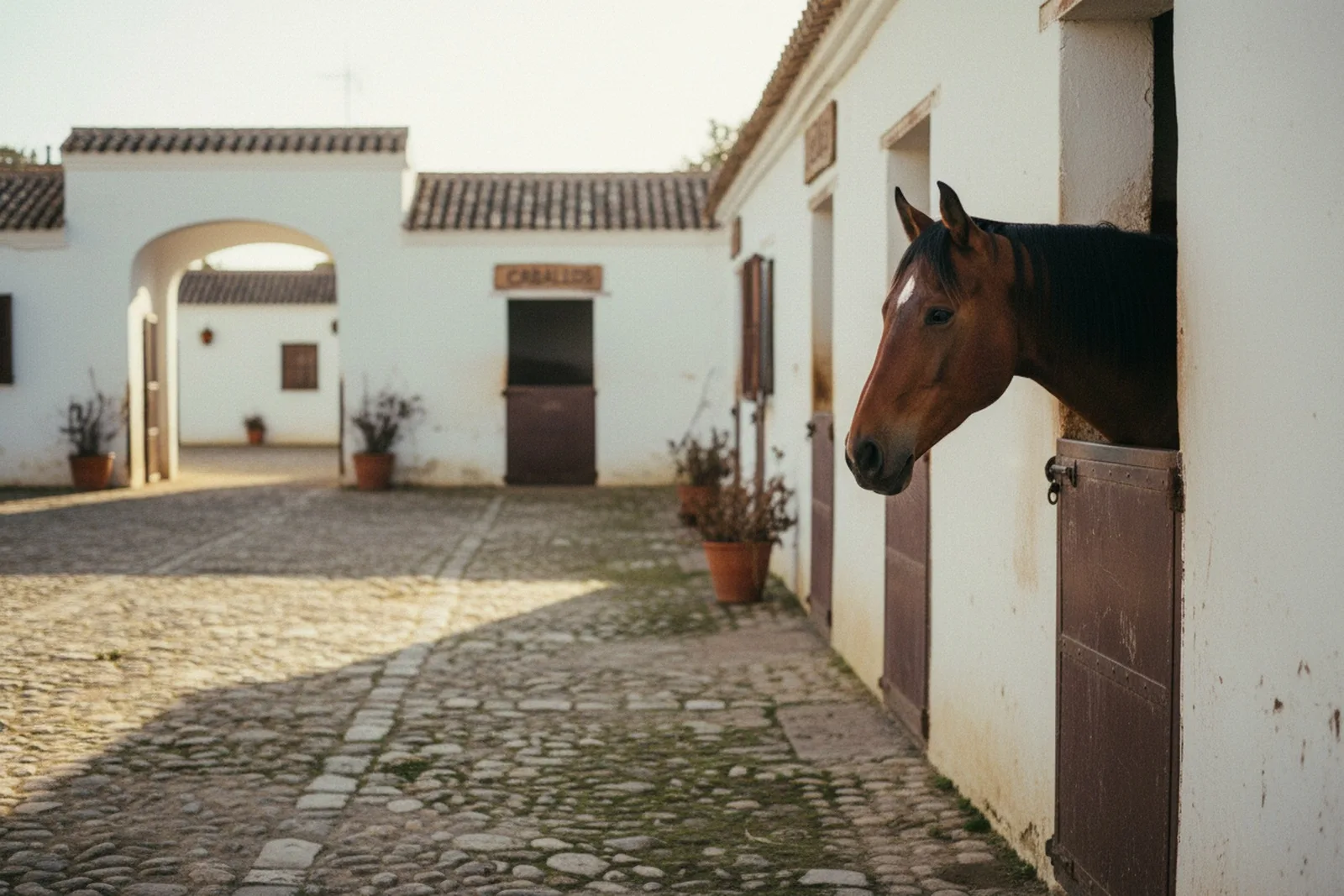 The horse sale contract: what belongs in itWhat a horse sale contract has to contain, how to tie the deal to the vetting, what German and Spanish law give the buyer, and what people forget.
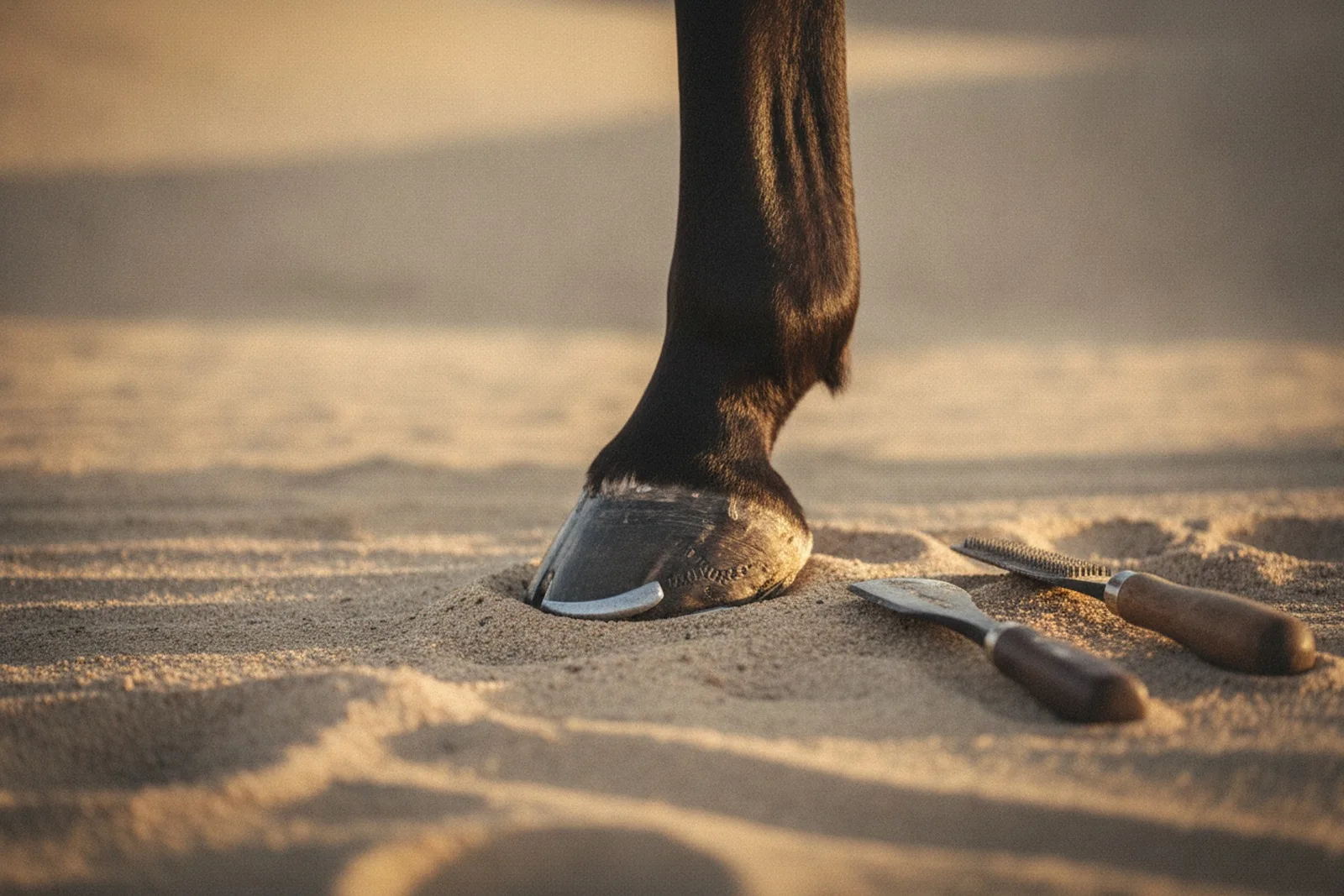 Horse hoof anatomy: parts, angles, trimming, shoesWhat the hoof is made of, what the parts are called, what angles are normal, how often to trim, when to shoe and when to call the vet.
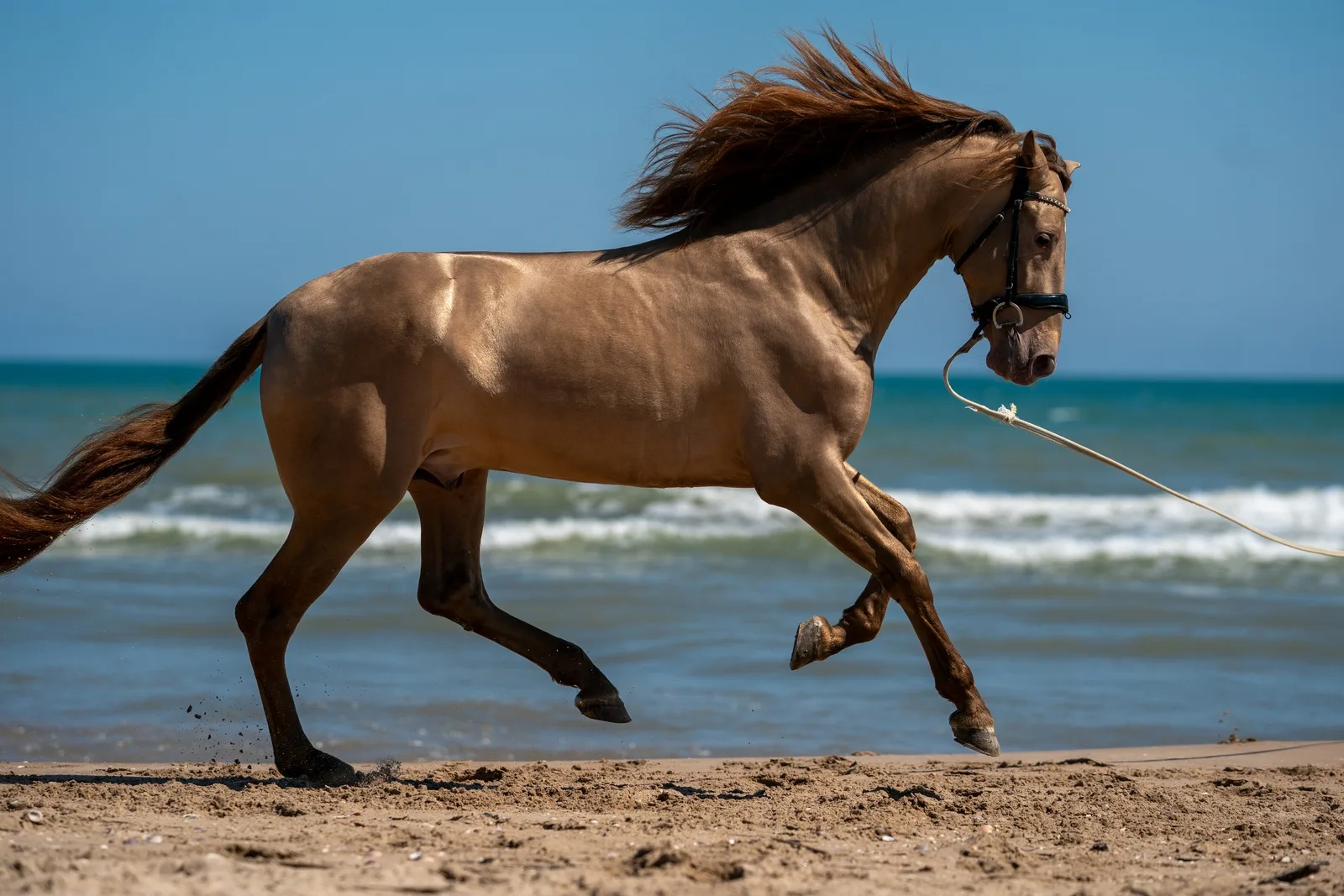 Horse coat colours: the complete list with namesEvery horse coat colour named: the three bases, the dilutes, grey, pinto and appaloosa, and how to tell each one from the colour it gets mistaken for.
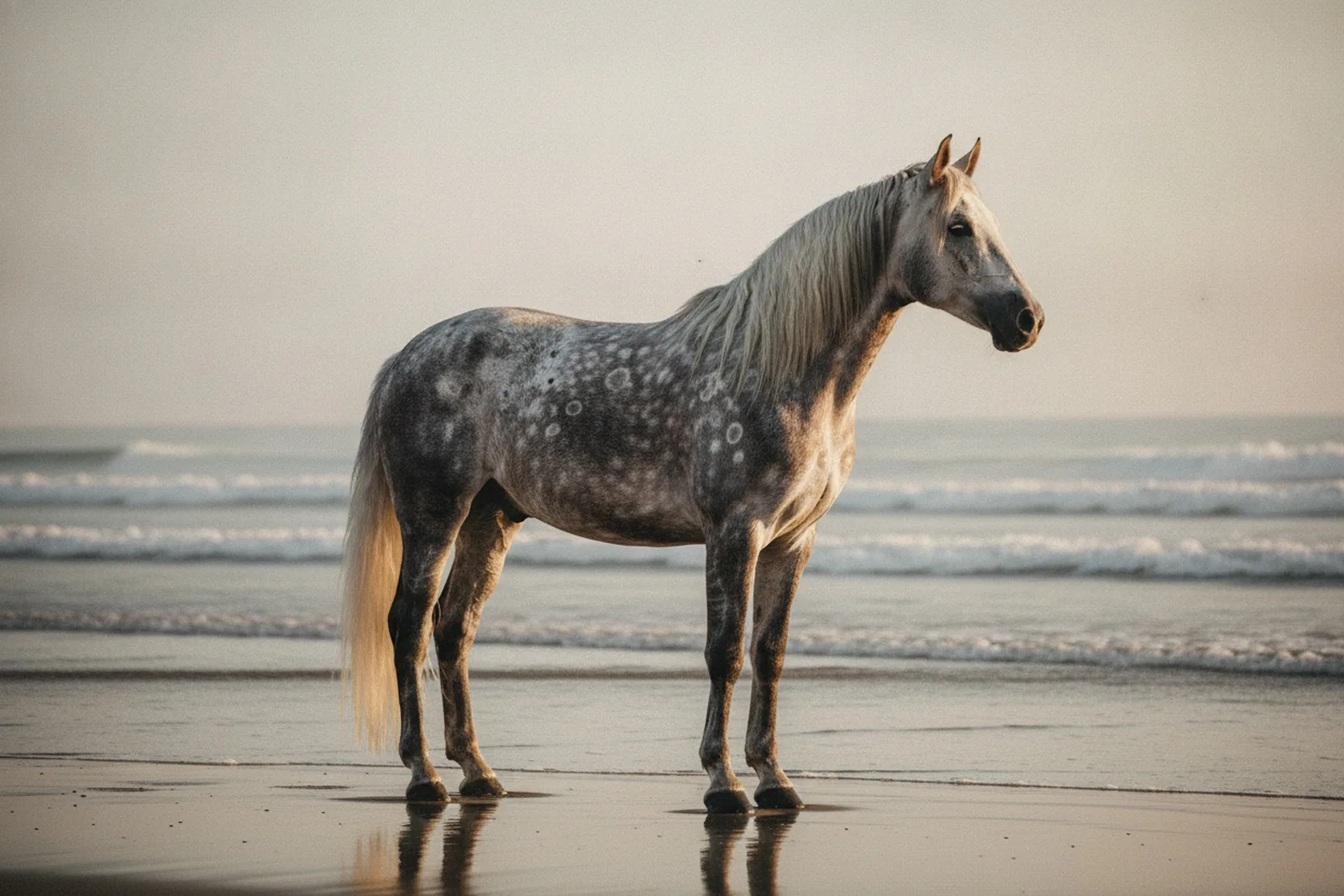 Grey horses: why they turn whiteHow the grey gene works, how many years it takes a horse to whiten, how grey differs from white and roan, and why grey horses get melanomas so often.
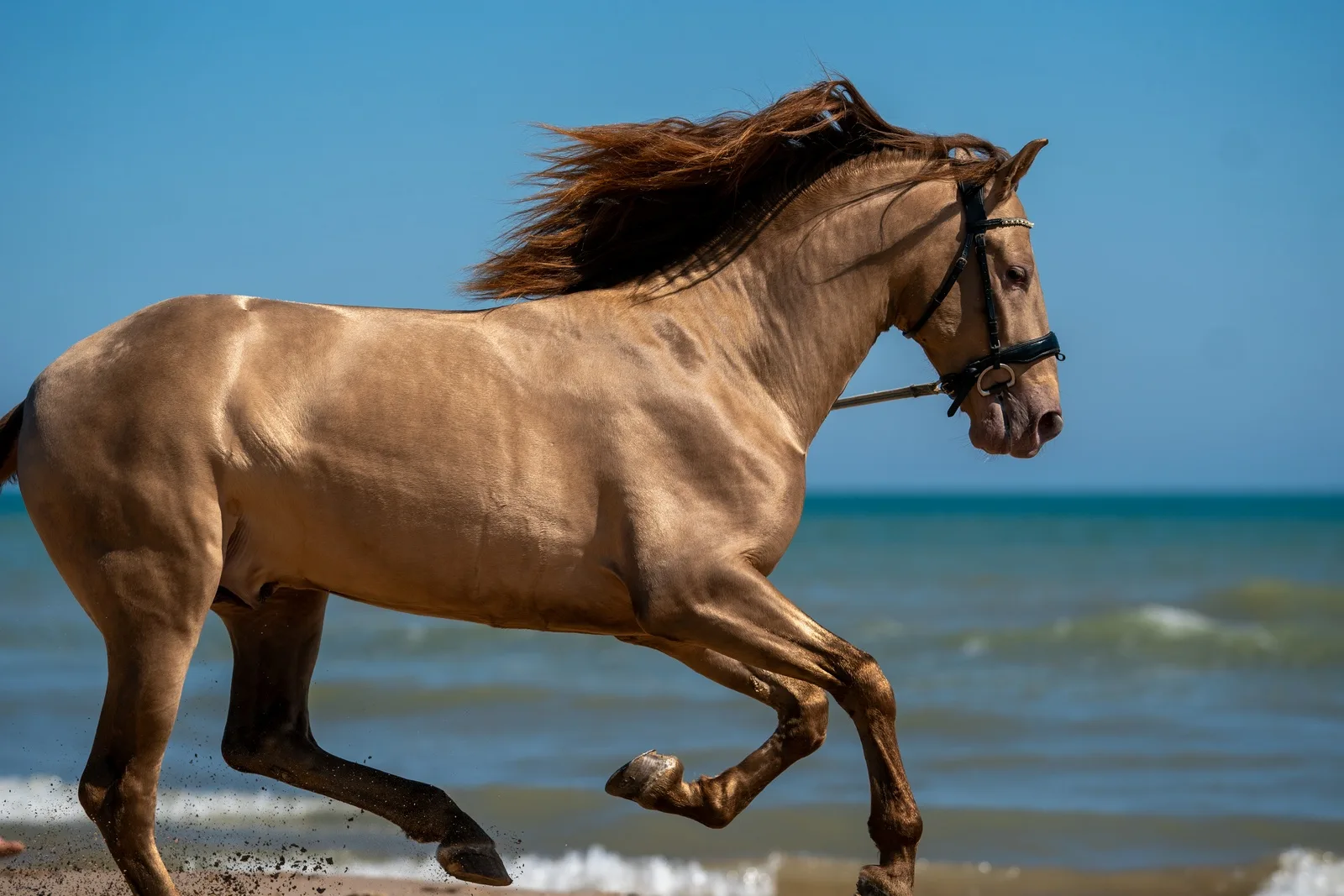 "Double pearl: the colour mistaken for cremello"What the pearl gene is, how double pearl differs from a double cream dilute and from palomino, and what it passes on to the foal.
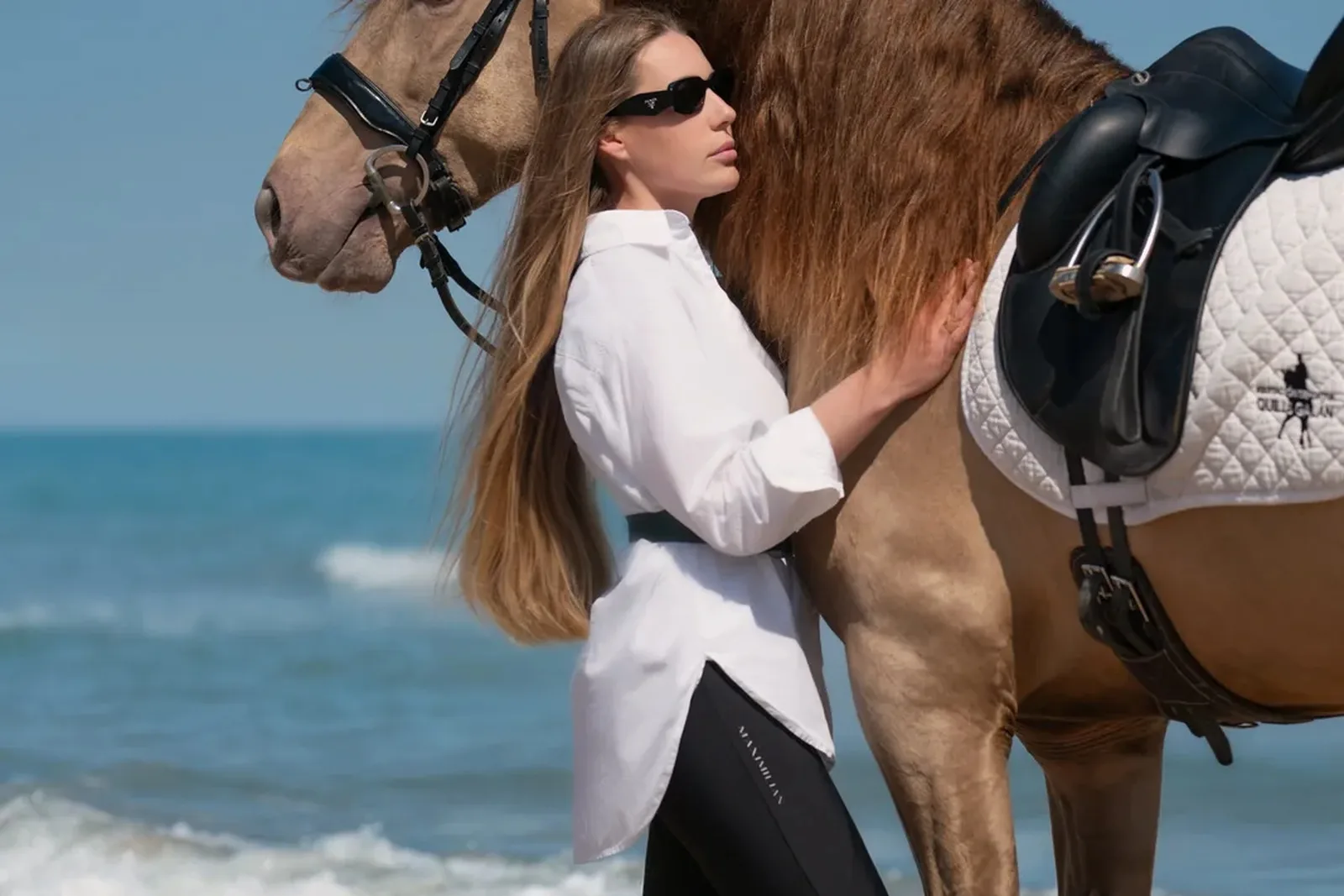 Cremello, perlino and smoky cream explainedHow cremello differs from perlino and smoky cream, where the blue eyes and pink skin come from, and why a double-cream horse is not a double pearl.
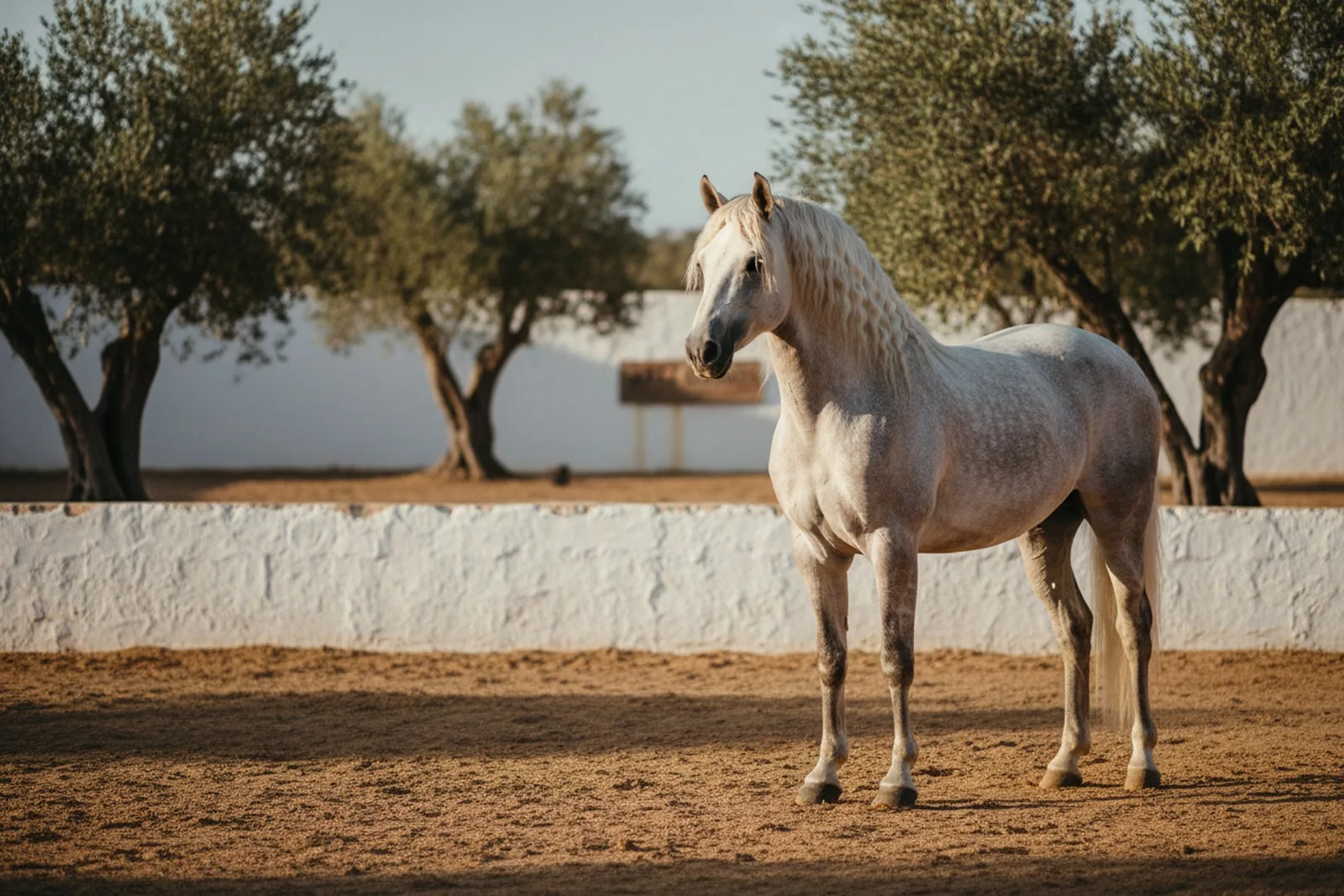 The Cartujano line: what Cartujano actually meansWhere the Carthusian line of the Spanish horse came from, how Cartujano differs from the rest of the PRE and why the label gets sold as a breed.
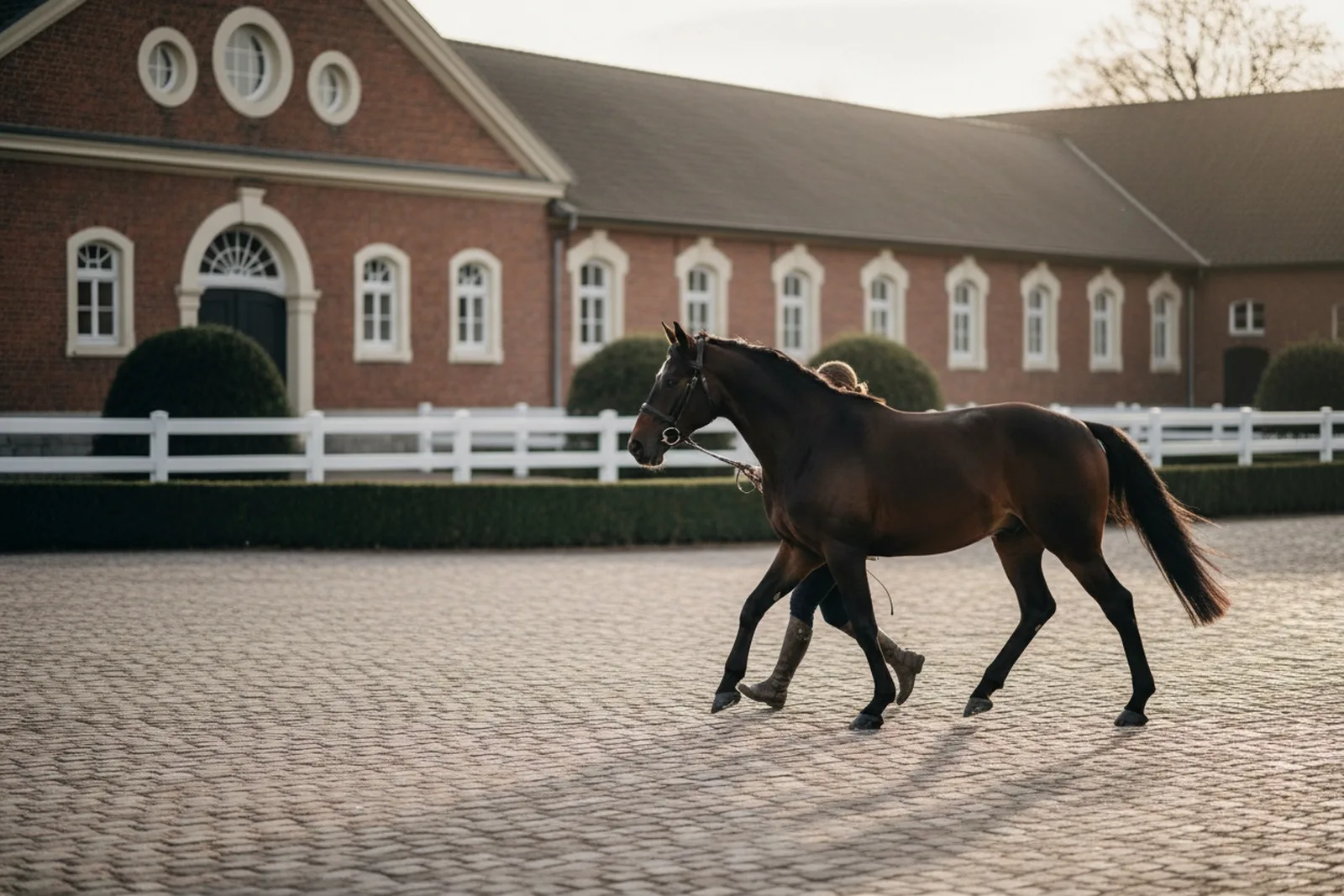 How to buy a horse in GermanyHow the German market differs from the Spanish one, where to look, what an AKU is, which papers to check and what the final bill adds up to.
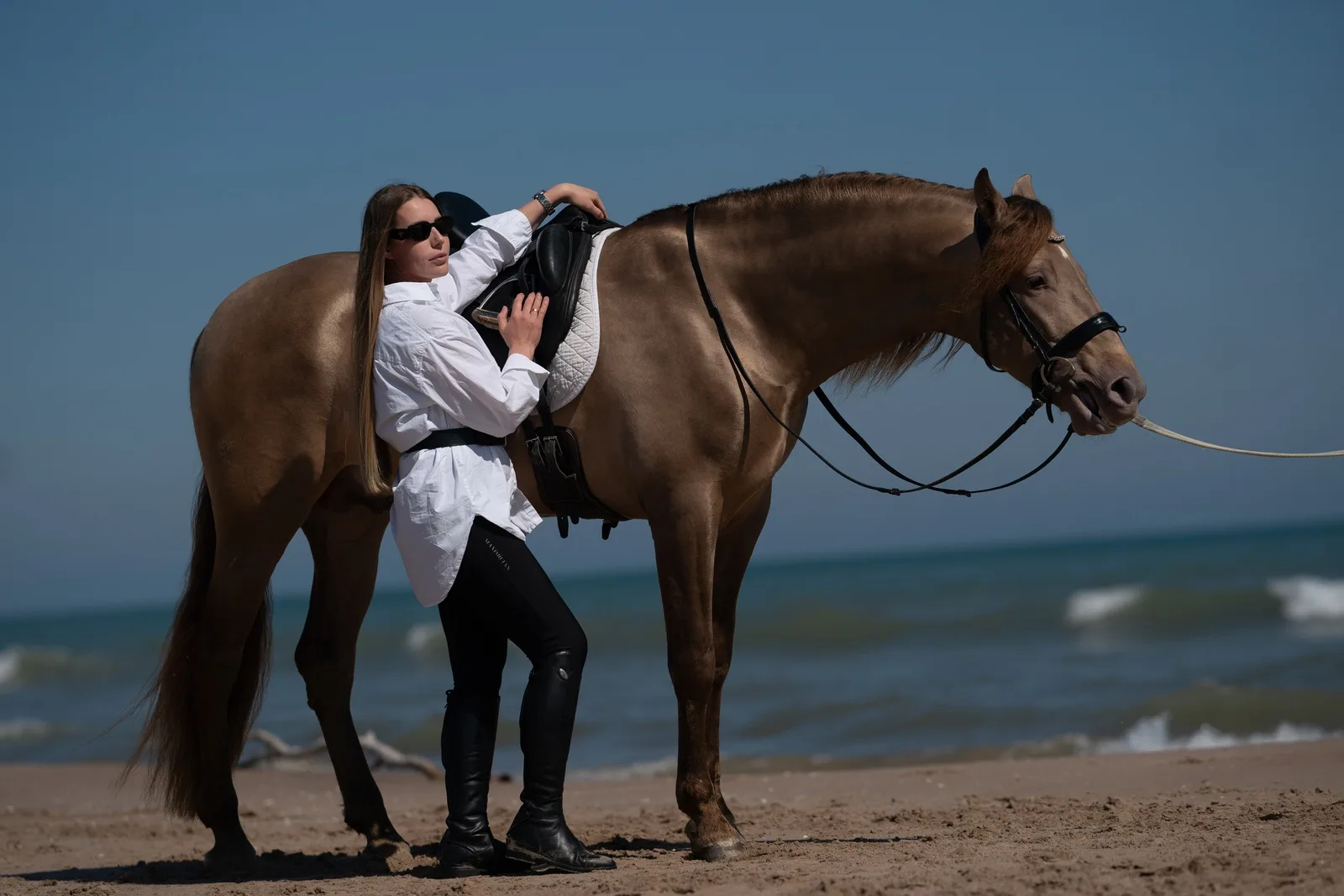 Andalusian horse (PRE): breed, character, priceHow a PRE differs from a Lusitano and from a registry Andalusian, what the character is really like, and what the breed costs in Spain.
The first article comes out on October 10. After that one or two a week — on horses, equipment and the Spanish market.